The roof is not merely a sheltering component of your home; it is a pivotal part of your property’s building envelope that defines its overall architectural aesthetic, energy efficiency, and resale value. For homeowners researching material durability, structural integrity, and cost factors, knowing how to choose a roofing style can feel overwhelming.
Choosing the right roof for your home is a crucial decision that involves careful consideration of your local environment and budget. With over a dozen standard roof types to choose from each presenting its own set of structural advantages and drawbacks the decision requires expert evaluation.
This data-driven guide breaks down everything you need to know about traditional, modern, and contemporary roofs. We will explore how key decision criteria interact with 15 different architectural design styles to help you make an informed, high-ROI investment.
Evaluate Climate and Environmental Data
Before falling in love with a specific visual aesthetic, every homeowner must evaluate the climatic factors that dictate what type of roof will actually perform best on their property.
- Snowy Regions: If you live in an area with heavy winter weather, steeply pitched roofs are essential. A steep pitch prevents heavy snow accumulation (snow loads), drastically reducing the risk of structural strain, moisture intrusion, and ice damming.
- Windy and Hurricane Zones: For coastal or high-wind areas, self-bracing roofs that slope on all four sides offer superior aerodynamic stability against wind uplift compared to standard flat or two-sided gabled roofs.
- Hot and Sunny Climates: Light-colored roofing materials, metal panels, or clay tiles with reflective coatings can drastically reduce indoor cooling demands. According to the U.S. Department of Energy, a “cool roof” can lower roof surface temperatures by up to 50°F and reduce peak cooling demand by 10–15%.
(Note: Upgrading your roof for weather resistance is just one part of protecting your home’s exterior. Ensure your siding is equally prepared by exploring options like James Hardie Siding for Missouri weather.)
The Ultimate Master List: 15 Roof Design Styles Evaluated
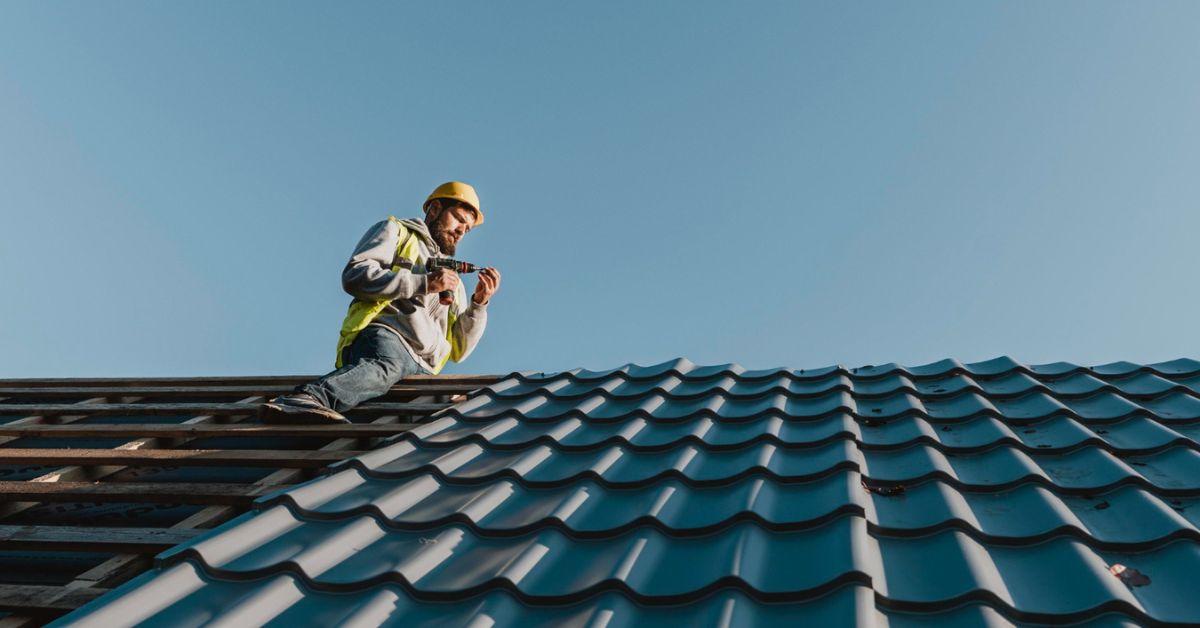
To help you select the perfect architectural silhouette for your home, here is a detailed breakdown of 15 popular roof design styles, including their climate compatibility, aesthetic appeal, and potential structural drawbacks.
Traditional & Classic Architectural Styles
- Gable Roof: Features two sloped sides forming a standard triangular shape. It is simple, highly common, and its steep pitch promotes effective water and snow runoff, making it a highly cost-efficient choice for asphalt shingles. Drawback: The flat gable ends may not be ideal for areas prone to hurricane-force winds.
- Jerkinhead Roof: A Gable style with clipped ends. Their steep pitch promotes excellent water drainage, and the clipped ends withstand high winds far better than standard Gables. Drawback: Requires more complex framing, costing more to build.
- Gambrel Roof: Similar to Gable styles, but boasts two sets of symmetrical slopes (creating a classic barn-style look). They offer a highly decorative design and maximize upper-level floor space. Drawback: The flatter upper slope struggles with heavy snow loads and may not perform well in extreme wind zones.
- Hip Roof: Features four sloping sides that meet at a central peak or ridge. They are naturally self-bracing, making them excel in hurricane-prone coastal areas. Drawback: More prone to leaks due to multiple seams and generally more expensive to construct than a Gable.
- Hip and Valley Roof: An intricate architectural version of the standard hip roof featuring multiple hip sections meeting at a valley. They are highly suitable for complex, sprawling homes in storm zones. Drawback: The framing complexity and labor costs may be a deterrent.
- Dutch Gable Roof: A hybrid combination of Hip and Gable roofs that offers a premium, high-end look while withstanding various weather conditions. Drawback: Higher construction cost and potential water pooling points where the styles meet.
- Mansard Roof: A French-inspired blend of Gambrel and Hip roofs that offers a unique, premium aesthetic while maximizing interior attic living space. Drawback: The shallow top pitch allows water and snow to pool, requiring specialized waterproofing membranes. They are complex and expensive to build.
- Pyramid Roof: A perfectly symmetrical variation of the Hip roof that is completely self-bracing and highly weather-resistant. Drawback: Multiple seams increase the risk of leaks, resulting in higher construction costs.
- Bonnet Roof: Another Hip variation with a slight, extending slope at the bottom to provide wrap-around shade and protection in tropical climates. Drawback: Higher construction complexity and material waste.
- Shed Roof: Features one single sloping side. They are inexpensive to frame and perfectly suited for minimalist, modern homes. Drawback: The high flat wall can be damaged in severe windstorms and doesn’t fit every neighborhood aesthetic.
- Lean-to Roof: A version of the Shed roof typically used for home additions or extensions. They are easy and inexpensive to build while promoting rapid water drainage. Drawback: Not the best choice for primary structures in hurricane zones.
- Skillion Roof: Featuring a single flat sloped surface, they are visually striking and ideal for contemporary aesthetics. Drawback: The steep, uniform pitch can limit interior attic space and ceiling height on the lower side.
- Butterfly Roof: Features two sides sloping downward to a central valley, creating a striking mid-century modern style that promotes unique rainwater harvesting. Drawback: Expensive to build, prone to valley leaks, and strictly not ideal for snowy climates.
- Clerestory Roof: Features a vertical wall with a row of windows at the top to maximize natural daylight and passive ventilation. Highly customizable for contemporary, eco-friendly designs. Drawback: Requires careful flashing maintenance due to an increased risk of window leaks.
- A-Frame Roof: Features two extremely steep sloped sides resembling the letter “A” that touch the ground. They work well in heavy snow climates and are simple to DIY. Drawback: The steep slopes create awkward interior angles and pose heating inefficiencies.
Data-Driven Budget & ROI Analysis
Understanding the material lifespan and financial cost factors of different roofing styles is crucial. According to real estate remodeling data, replacing a roof offers one of the highest exterior remodeling returns on investment (ROI).
| Roofing Material | Best Architectural Match | Average Lifespan | Estimated Cost Factor | Average ROI at Resale |
| Asphalt Shingles | Gable / Hip / Jerkinhead | 15 – 30 Years | Budget-Friendly ($$) | ~61% |
| Metal Roofing | Shed / Skillion / Butterfly | 40 – 70 Years | Mid-Range ($$$) | ~56% |
| Clay / Concrete | Mediterranean / Bonnet | 50 – 100 Years | Premium ($$$$) | ~50% |
| Natural Slate | Mansard / Traditional | 75 – 100+ Years | Premium ($$$$) | ~50% |
*ROI estimates vary by local real estate markets, but standard asphalt and metal upgrades consistently yield high returns by boosting curb appeal and passing buyer inspections.
Navigating Local Building Codes and Professional Installation

Before falling in love with a design and finalizing your roof replacement, you must verify local building codes and obtain the necessary construction permits. Building codes are not just bureaucratic red tape; they are strict safety and structural standards dictated by your region’s specific environmental threats.
Depending on your geographic location, your new roof must comply with localized regulations such as:
-
Structural Load Limits: If you are upgrading from a lightweight material (like asphalt shingles) to a heavy premium material (like natural slate or clay concrete tiles), codes require a structural engineering assessment to ensure your home’s roof framing can safely support the massive increase in “dead load.”
-
Wind and Uplift Ratings: In coastal, tornado, or hurricane-prone zones, building codes dictate specific fastening patterns, reinforced roof deck nailing, and tear-resistant synthetic underlayments to prevent the roof from blowing off during extreme wind events.
-
Fire Resistance Classifications: If you live in a wildfire-prone region, local regulations often explicitly ban combustible materials like untreated wood shakes. Instead, they mandate Class A fire-rated materials, such as standing seam metal, concrete tile, or specially treated architectural shingles.
-
Energy Efficiency Mandates: Certain regions have strict municipal energy codes (such as Title 24 in California) that legally require the installation of “cool roofs.” These materials must possess specific solar reflectance and thermal emittance ratings to reduce the strain on the local power grid during the summer.
Furthermore, many neighborhoods have strict Homeowner Association (HOA) guidelines that legally restrict acceptable roofing materials, roof pitches, and exterior colors to maintain a uniform community aesthetic.
Because navigating these legalities is complex, selecting a reputable, licensed roofing contractor preferably one certified by industry organizations like the National Roofing Contractors Association (NRCA) is essential. A seasoned local expert will handle the municipal permitting process, manage the required city inspections, and ensure your new roof is 100% compliant. Most importantly, proper professional installation ensures your manufacturer warranties remain fully valid and your home’s envelope stays completely watertight for decades to come.
Frequently Asked Questions
How do I choose the right roofing style for my climate?
To choose the best roofing style, evaluate your local weather extremes. If you live in an area with heavy snow, a steep-sloped Gable or A-frame roof is excellent for shedding ice. For hot, sunny climates, a modern flat roof with a highly reflective membrane or light-colored clay tiles will maximize energy efficiency and reduce your HVAC cooling costs.
Which roof styles provide the most extra living space?
Mansard and Gambrel roofs are specifically designed with double slopes to maximize the vertical volume directly beneath the roofline. This structural design makes them the absolute best choices if you want to add an extra bedroom, loft, or spacious attic storage to your home.
Which roofing material offers the best long-term value?
For a balance of durability and budget, many homeowners opt for dimensional asphalt shingles on a traditional Gable or Hip roof. However, those prioritizing extreme longevity often choose standing seam metal or natural slate. A metal roof can last up to 70 years with minimal maintenance, making it an exceptional long-term value that often outlasts your time in the home.