If you lived through the March 14, 2025, tornado outbreak or the May 16, 2025, hail storm that hit St. Charles County, you know how scary Missouri weather can get. But just because your house is still standing doesn’t mean your roof is okay.
Every time a big storm rolls through O’Fallon, there is alot of bad information floating around. People think if they don’t see a giant hole in there ceiling, they don’t have a problem. But in 2026, we are seeing that “hidden” hail damage is one of the biggest reasons for roof failure in our area.
As a local roofing service in OFallon, we want to debunk these common myths so you don’t get stuck paying for a new roof out of your own pocket later on.
Myth 1: The hail was small, so it couldn’t of hurt my roof.
This is probably the most common mistake people make. Folks think if the hail wasn’t the size of a baseball, it didn’t do anything.
The Reality: Even hailstones as small as 0.75 inches (about the size of a penny) can cause “bruising” on your shingles. When that little ball of ice hits your roof at 60 mph, it knocks off the protective granules and fractures the asphalt layer underneath. It might not leak today, but it’s like a ticking time bomb for your roof’s lifespan.
Myth 2: I don’t see any missing shingles, so I’m fine.
A lot of homeowners think hail damage looks like someone took a hammer to there house. They wait to see shingles lying in the yard before they call a roofing company in O’Fallon MO.
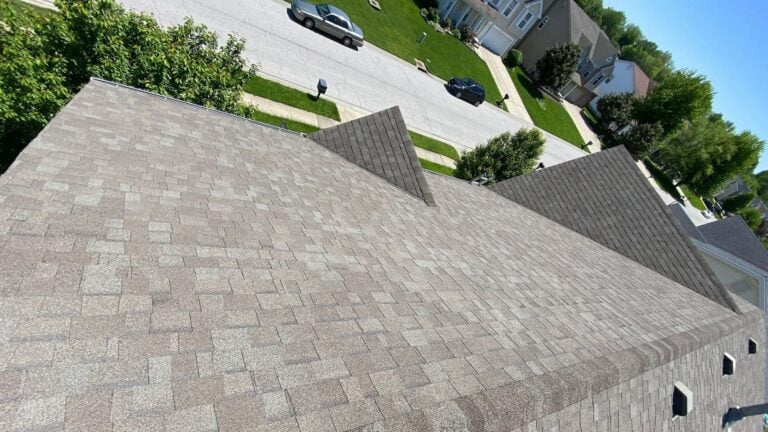
The Reality: Hail damage is often “invisible” from the ground. It looks like dark, round spots where the granules have been knocked away. Unless you have a trained eye and you are standing right on top of it, you’ll probably miss it. High winds can also “unseal” your shingles without blowing them off, which lets water sneak in during the next rain.
Myth 3: My roof is only a few years old, it can handle hail.
There is a myth that newer shingles are “tougher” and can’t be damaged by ice.
The Reality: Actually, newer shingles can sometimes be more susceptible to hail because they haven’t fully “cured” or hardened yet. Even if you just got a roof replacement last year, a 1-inch hailstone doesn’t care—it can still cause damage that voids your manufacturer warranty.
Myth 4: I can just check the roof myself with a ladder.
We see this alot homeowners climbing up with a flashlight to look for dents.
The Reality: Please don’t do this. Roofs are slippery, especially after a storm, and a DIY inspection is a huge safety risk. Plus, most people don’t know the difference between “functional” hail damage and “blistering” caused by heat. An expert roofer looks at “soft metals” like your chimney flashing and attic vents for tiny dings that prove hail hit your house.
Myth 5: I have to file an insurance claim immediately or I lose out.
People panic and call there insurance company five minutes after the storm stops.
The Reality: While you shouldn’t wait forever, you usually have 6 to 12 months to file a claim in Missouri. It’s actually better to call a roofer first so they can document the damage properly before the insurance adjuster shows up. If the adjuster says “no” and you don’t have a professional report to show them, it’s a lot harder to get them to change there mind.
What O’Fallon Homeowners Should Actually Look For
If you want to know if you might have a problem without climbing on the roof, check these “ground-level” signs:
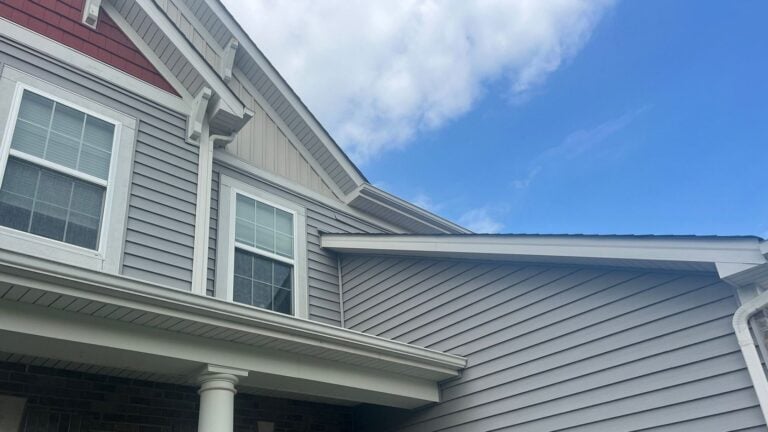
- Gutter Dents: Look for small dings in your downspouts or the metal around your windows.
- Siding Cracks: If you have vinyl siding, look for chips or holes.
- The “Granule Pile”: Check the end of your downspouts for piles of sand-like grit. If a lot washed off during one storm, your shingles are in trouble.
Trying to figure out if you need a quick fix or a whole new roof? Read our Repair vs Replacement Guide to see the pros and cons.
Don’t Let “Hidden” Damage Rot Your House
In 2026, the cost of labor and materials is only going up. If you ignore hail damage now, you might end up paying thousands of dollars for a full O’Fallon roof replacement out of your own pocket in a few years when the leaks finally start.
Get Your Roof Assessment Today. We’ll give you a clear, honest look at what’s happening on your roof so you can decide what to do next.