The Role of Roofing in Commercial Property Value
Commercial real estate is a long-term investment, and every decision made regarding its infrastructure directly impacts its valuation. While interior renovations, location, and market trends play significant roles, one often underestimated factor is the roofing system. The roof is the first line of defense against environmental stressors, ensuring that the building remains structurally sound and energy efficient. In commercial properties—such as retail stores, office buildings, industrial facilities, and high-rise complexes—the choice of roofing material can mean the difference between a depreciating asset and a property that steadily appreciates in value. A well-maintained, high-performance roofing system enhances curb appeal, reduces operational costs, and prolongs the building’s lifespan, all of which are critical to increasing commercial property value. Enter TPO (Thermoplastic Olefin) and EPDM (Ethylene Propylene Diene Monomer)—two industry-leading roofing materials for flat and low-slope commercial buildings. These advanced materials are not just about protecting a building from leaks; they serve as cost-effective, durable, and energy-efficient solutions that make properties more valuable to both investors and tenants.Understanding TPO & EPDM Roofing Systems
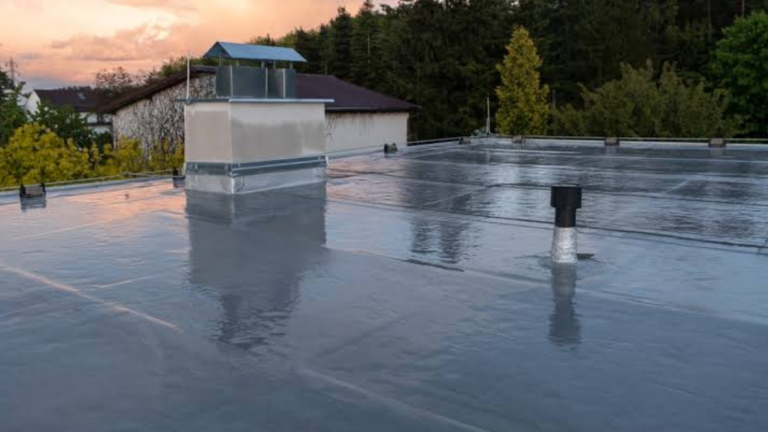
Commercial flat roofs demand roofing systems that provide maximum weather resistance, energy efficiency, and longevity. Traditional materials, such as built-up roofing (BUR) or asphalt, often struggle with premature deterioration and expensive maintenance requirements. TPO and EPDM have rapidly gained popularity as superior alternatives due to their proven durability, sustainability, and cost-effectiveness.TPO Roofing: The Energy-Efficient Powerhouse
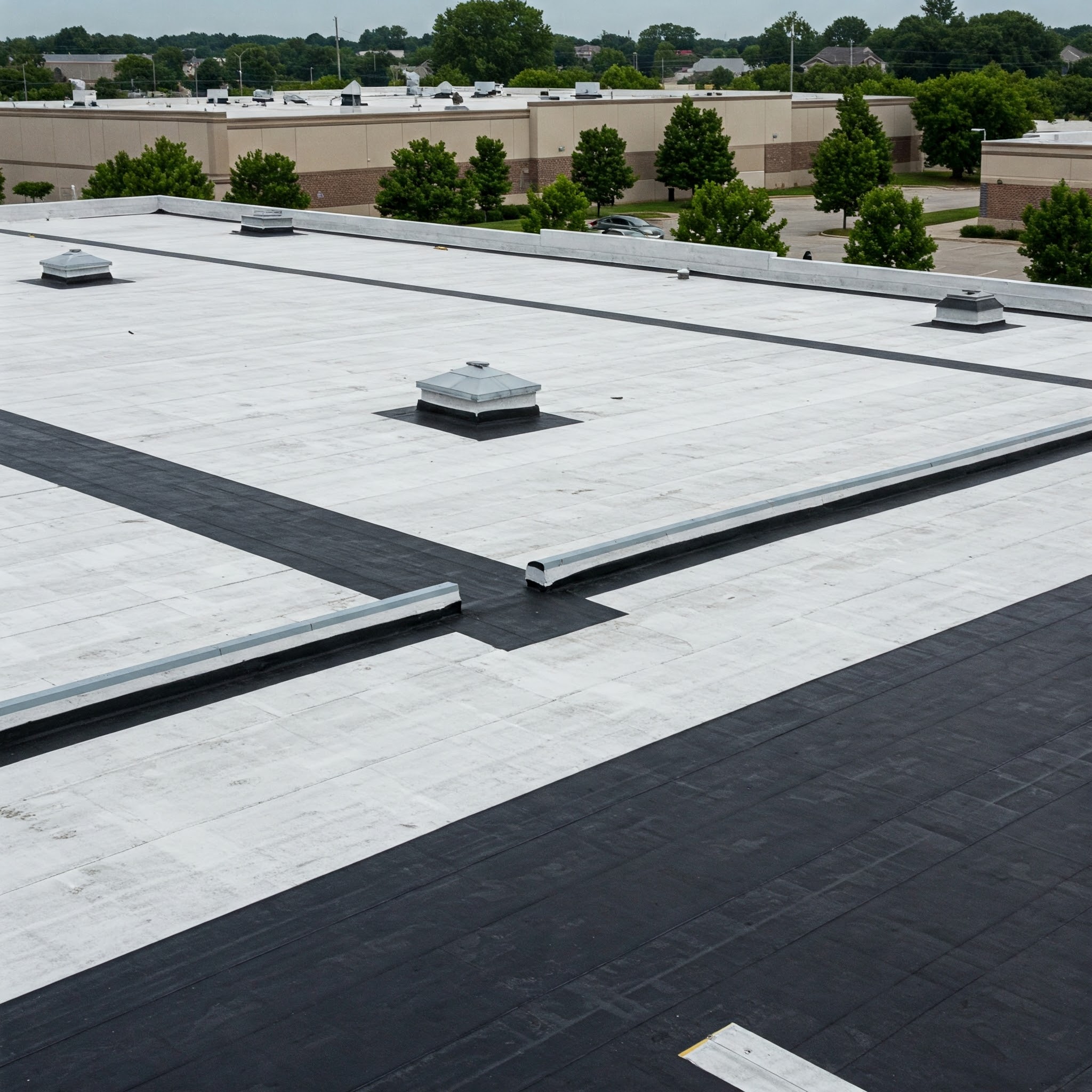
TPO is a single-ply, heat-reflective thermoplastic roofing membrane that consists of polymerized polypropylene and ethylene-propylene rubber. Designed to withstand extreme weather conditions, it has become a top choice for modern commercial buildings looking to optimize energy savings and reduce maintenance costs.Key Advantages of TPO Roofing:
- High Solar Reflectivity & Energy Savings – The white, highly reflective surface of TPO membranes bounces back sunlight, preventing heat absorption and keeping buildings cooler. This reduces reliance on HVAC systems, leading to lower utility costs and a more sustainable property.
- Durability & Resilience – TPO is engineered to resist punctures, tears, and chemical exposure, making it an ideal option for buildings that experience high foot traffic on the roof (such as those with HVAC units or solar panels).
- Seamless Waterproofing – Unlike older roofing materials with overlapping seams, TPO membranes are heat-welded together, creating a monolithic, leak-resistant surface that prevents water infiltration.
- Eco-Friendly & Recyclable – Many municipalities and green building standards encourage sustainable roofing materials, and TPO’s ability to be fully recycled at the end of its lifespan makes it a responsible choice for environmentally conscious property owners.
EPDM Roofing: The Resilient Performer
EPDM is a synthetic rubber roofing membrane that has been used for decades in commercial applications. Known for its ability to withstand temperature extremes, UV radiation, and harsh weather conditions, EPDM is a time-tested solution that continues to be a cost-effective option for property owners looking for a low-maintenance, long-lasting roof.Key Advantages of EPDM Roofing:
- Exceptional Longevity – With proper maintenance, EPDM roofs can last between 30 to 50 years, significantly outlasting traditional roofing options.
- Superior Weather Resistance – The rubberized membrane is highly flexible and resilient, adapting to temperature fluctuations without cracking or splitting. Its resistance to ozone, hail, and UV exposure makes it particularly beneficial in areas with extreme climates.
- Affordability & Low Installation Costs – Compared to other commercial roofing materials, EPDM is one of the most budget-friendly options in terms of both upfront installation costs and long-term maintenance expenses.
- Easy Repairs & Upkeep – Unlike materials that require full replacements when damaged, EPDM membranes can be repaired seamlessly with patches, making maintenance simple and cost-effective.