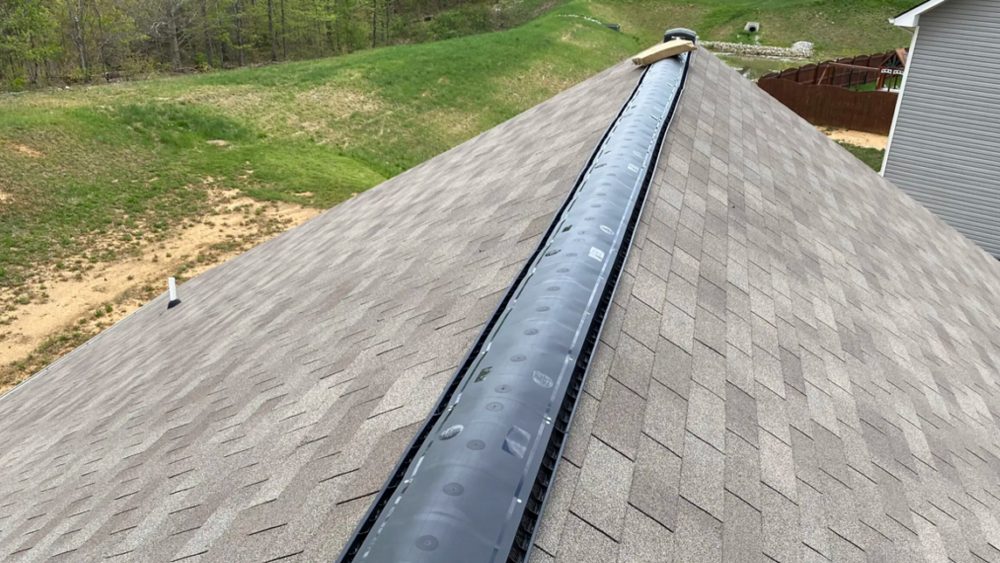
If your roof is trapping heat, showing missing shingles, or leaking near the peak, ridge vent repair may be the fix. Damage along the ridge can lead to airflow problems, moisture buildup, and faster roof wear. In Missouri, storms and temperature swings often weaken shingles and ventilation components near the highest part of the roof. This guide explains the common causes, the signs to watch for, and when repair makes more sense than replacement.
What Are Roof Cap Shingles and Why Do They Matter?
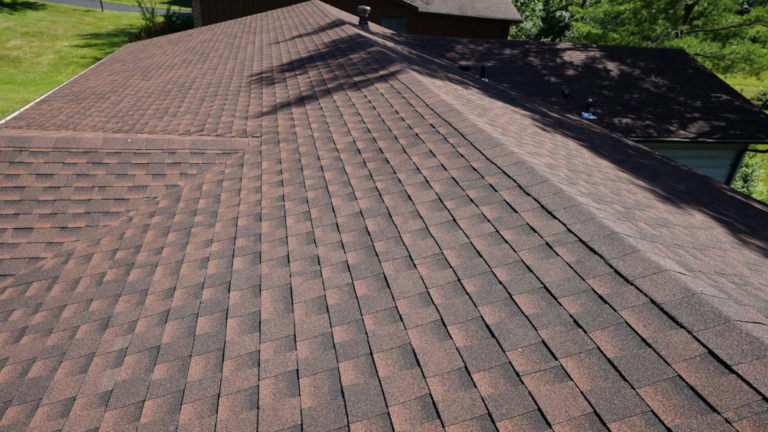
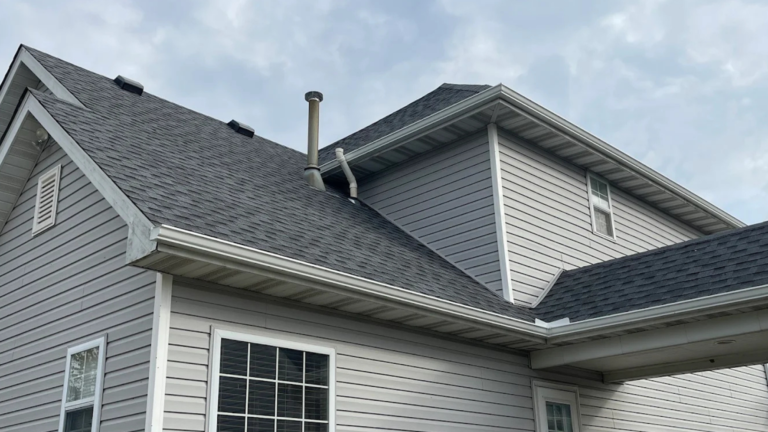
Roof cap shingles are installed along the peak of the roof where two slopes meet. They protect one of the most exposed parts of the roofing system and help cover the ridge vent area. When they crack, lift, or wear down, the ridge becomes more vulnerable to leaks and ventilation issues.
Common Ridge Vent Repair Problems
A proper vent system helps release hot, moist air from the attic. When that system fails, the roof usually shows signs first.
Common problems include loose or damaged vent shingles, cracked cap shingles, poor sealing around the ridge cover, storm damage near the roof peak, blocked airflow inside the vent, weak installation, and shingles installed the wrong way over vented sections.
If ignored, these issues can lead to attic heat, trapped moisture, and roof leaks.
Missing Shingles Near the Roof Peak: What to Check
One common warning sign is missing shingles near the ridge. If shingles are loose or missing in that area, the roof is no longer fully protected.
Look for missing shingles along the ridge, lifted vent covers, exposed nails, damp attic spots, water stains after rain, or broken shingle pieces on the ground. These signs often show up after strong wind or storm activity.
If the damage is limited, this type of problem may fall under residential roofing service.
Installation Mistakes That Lead to Repairs
Not every ridge problem comes from age or weather. Some start with poor installation.
Common issues include poor nail placement, uneven overlap, weak fastening, low-quality sealing, and misaligned vent materials. Even a small mistake at the peak can turn into a bigger ventilation or leak problem later.
GAF also stresses the importance of choosing the right attic ventilation options and maintaining balanced airflow.
How to Replace Damaged Cap Shingles the Right Way
Many homeowners search for how to replace damaged shingles after a storm. The right repair starts with checking the full ridge line, not just the visible damage.
A proper repair usually includes inspecting the full ridge area, removing damaged materials, checking nearby shingles, installing matching replacements, sealing exposed sections, and confirming that the vent below is still working as it should.
If the vent itself is damaged, replacing the shingles alone will not fix the full problem.
How to Repair Missing Roof Shingles Near the Ridge
Searches like how to replace a missing roof shingle are common after storms, but repairs near the ridge need extra care. That part of the roof handles more wind pressure than many other sections.
A proper fix should check the surrounding shingles, the vent opening, and the ridge area as a whole. This is why many quick patch jobs fail. They replace one visible shingle but miss the larger issue around it.
How to Fix Loose Shingles and Weak Ridge Sections
Loose shingles near the top of the roof are usually a warning sign that the ridge area needs closer inspection. The problem may involve cracked sections, pulled nails, weak sealing, or damage below the visible surface.
If several sections are loose, repair may not be enough on its own. In that case, a broader roofing assessment may be the better move.
For larger properties or more complex roof systems, this can also overlap with commercial roofing service.
Repair vs Replacement
Sometimes a targeted repair is enough. Sometimes replacing the damaged ridge section is the better option.
Repair usually makes sense when the damage is limited, the vent is still sound, and only a few shingles are affected. Replacement makes more sense when the vent is aging, leaks keep returning, or larger sections along the ridge have failed.
What Affects Ridge Vent Repair Cost?
The cost depends on how much damage is present, whether the issue affects the shingles only or the vent too, the roof size and pitch, the material type, access to the ridge, and whether nearby shingles also need replacement.
A small repair usually costs less than a larger rebuild, but delaying the work often leads to more damage and more expense later.
Best Ridge Vent Setup for Shingle Roofs
A strong setup relies on durable vent materials, balanced airflow, proper fastening, and clean sealing. The goal is not just to patch the surface but to keep the whole ventilation system working together. Proper airflow depends on balancing intake and exhaust, not just adding an exhaust vent at the top of the roof. A strong setup relies on durable vent materials, balanced airflow, proper fastening, and clean sealing. The goal is not just to patch the surface but to keep the whole ventilation system working together.
FAQs
Can you replace a ridge vent without replacing the roof?
You can add vents to an existing roof. You need to be careful and make sure that the intake ventilation can handle a ridgevent if you have an open attic. Ridgevent is an engineered system so you want about 50%-60% of the ventilation low as intake to supplement the ridgevent for a “balanced” system.
What are the signs of a bad ridge vent?
The most obvious sign of ridge vent leaking (and one even the most untrained eye can spot) is an actual drip coming through the ceiling. Even so, that’s not the only tip-off. Any hint of mold or mildew smell, especially at the height of the summer heat, is a sure sign there’s water getting into the building.
Can rain come in through ridge vents?
During heavy wind-driven rain, water can be forced up and under the ridge vent due to the angle and intensity of the wind. This can lead to water intrusion through the vent openings, especially if the vents are not designed to withstand such
What are common ridge cap shingle problems?
The ridge cap is the row of shingles that runs along the very peak of your roof and takes the most wind and UV exposure of any area. Signs of failure include cracked or missing cap shingles, exposed nails along the peak, and granule buildup directly below the ridge in your gutters.
Are ridge cap vents necessary?
Depending on the amount of exhaust ventilation needed for the attic space and the physical roof design, many homes are great candidates for ridge vents. For example, homes that have an ample amount of ridge line are often properly ventilated using ridge vents.
Final Thoughts on Ridge Vent Repair
Ridge vent repair protects one of the most exposed parts of the roof. If you are seeing missing shingles, loose cap shingles, or signs of moisture near the roof peak, it is worth getting the area checked before the damage spreads.
Handled early, a ridge repair can help prevent larger roofing problems and keep the attic ventilation system working the way it should.
Call now to schedule your roof inspection for fast, reliable service.