When it comes to roofing, few homeowners realize how much a roof’s angle or pitch affects every part of your home. From curb appeal to weather protection, drainage, attic space, and energy efficiency, the pitch of your roof shapes it all. At Prrotect Roofing, we help homeowners across Missouri and Illinois make smart roofing decisions that protect their investment.
Whether you’re planning a new build, a major renovation, or roof replacing an aging, understanding roof pitch is essential. In fact, the roof pitch importance Missouri keyword is something many homeowners search for because roof pitch plays a crucial role in the performance and longevity of any roof.
This comprehensive guide will help you understand what roof pitch is, how it’s measured, why it matters, and how the right pitch can protect and add value to your home whether you’re here in Missouri or researching roof pitch importance for general knowledge. To learn more information, follow us on our Facebook Page.
What Is Roof Pitch?
In simple terms, roof pitch describes the steepness or slope of your roof. It’s usually written as a ratio that shows how much the roof rises vertically for every 12 inches it runs horizontally. For example, a common roof pitch is 6:12 meaning the roof rises 6 inches for every 12 inches of horizontal distance. Some roofs have a gentle slope, like 3:12. Others are steep, like 9:12 or even steeper. Flat roofs technically have a slight pitch too, to ensure water drains away instead of pooling. Understanding your home’s pitch is the first step toward appreciating Missouri roof pitch importance or anywhere else with variable weather.
Why Roof Pitch Matters for Your Home
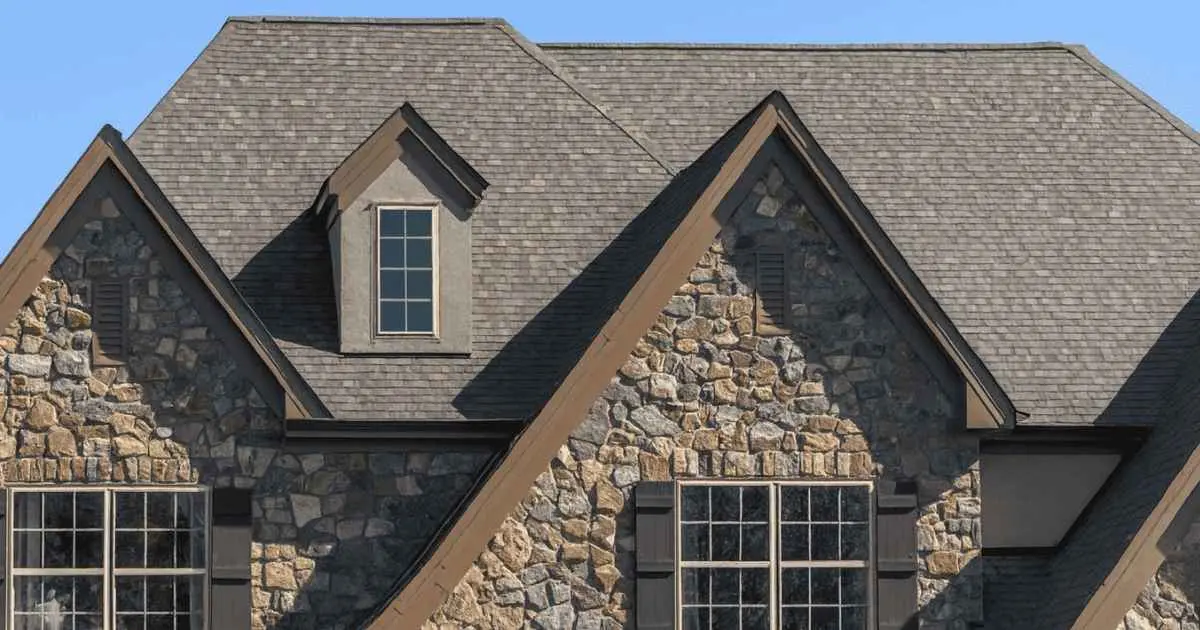
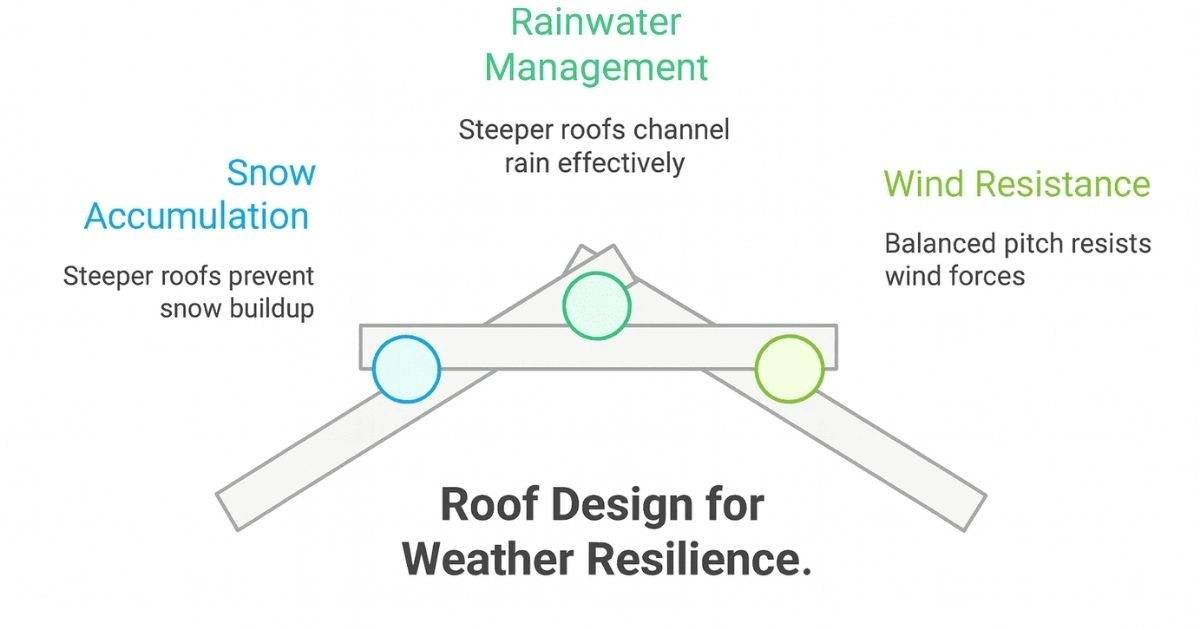
So why is roof pitch so important? It impacts nearly every aspect of your roof’s performance and your home’s safety and comfort. Let’s break down the main reasons homeowners should care about Missouri roof pitch importance and beyond. Drainage and Water Shedding A steeper pitch sheds rain, snow, and debris faster than a flat or low-slope roof. This is especially crucial in areas with heavy rainfall or snow like Missouri and Illinois because poor drainage can lead to leaks, ice dams, mold, and structural damage.
Weather Resistance A higher pitch helps roofs stand up to harsh weather. Steep roofs are less likely to allow water to pool, minimizing the risk of leaks and rot. In snowy climates, a steep pitch encourages snow to slide off naturally, preventing excess weight buildup. Longevity and Maintenance Because steep roofs drain water and debris efficiently, they generally last longer and need fewer repairs. Understanding Missouri roof pitch importance can help you choose a roof design that requires less maintenance over its lifetime.
Energy Efficiency Roof pitch also affects your attic ventilation and insulation. The angle can help regulate heat flow, which impacts your heating and cooling costs. Interior Space and Design A higher pitch often means more attic space, vaulted ceilings, or room for a bonus area. Many homeowners appreciate the extra square footage or dramatic interior lines that a steeper roof allows. Curb Appeal Finally, roof pitch shapes your home’s style. A colonial or Cape Cod might have a steep, symmetrical roof. A modern ranch might have a low-slope roofline. Understanding Missouri roof pitch importance is crucial if you want a style that fits your neighborhood while standing up to local weather.
Common Roof Pitches
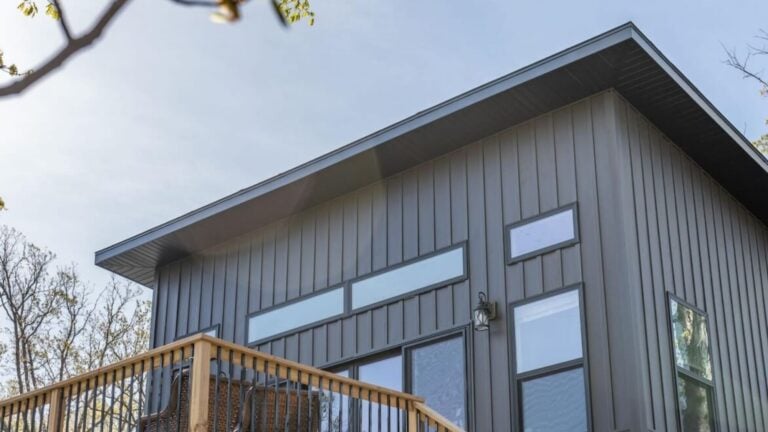
Let’s look at some of the most common residential roof pitches and what they mean for homeowners interested in roof pitch importance Missouri. Low-Slope Roofs (2:12 to 4:12) Low-slope roofs are common for modern homes and ranch-style houses. They have a subtle angle that gives a sleek look but requires excellent waterproofing because water doesn’t drain as quickly.
Medium-Slope Roofs (5:12 to 8:12) This is the sweet spot for most homes. These roofs balance good water drainage with reasonable construction costs and easier maintenance access. Steep-Slope Roofs (9:12 and higher) Steep roofs are common in Victorian, Gothic, or A-frame designs. They shed snow and water quickly and make dramatic architectural statements but can cost more to build and maintain because they require extra materials and skilled labor. Knowing which category your roof falls into helps you understand your maintenance needs and how to plan any replacements or upgrades. That’s why Missouri roof pitch importance is a frequent search for people who want to make informed choices.
How Roof Pitch Is Measured
If you’re replacing your roof or designing an addition, you’ll probably hear contractors talk about pitch in ratios or degrees. The Pitch Ratio For example, 4:12 means the roof rises 4 inches for every 12 inches of horizontal run. Degrees Some people prefer the angle in degrees. A 4:12 pitch is about 18.5 degrees. A 12:12 pitch is about 45 degrees. Understanding these measurements helps you communicate with your roofer and decide what works best for your home’s style and climate. It also highlights Missouri roof pitch importance when comparing designs for homes in regions with snow and rain challenges.
Roof Pitch and Regional Weather
How Roof Pitch Impacts Cost
Roof pitch also affects your roofing budget. A steeper pitch usually costs more because more materials are needed for extra surface area. Labor is more challenging and sometimes requires safety equipment. Complex rooflines add to framing and installation costs. However, the extra upfront cost often pays off in longer roof life and fewer repairs. Homeowners researching Missouri roof pitch importance or Pennsylvania should think long-term savings, not just upfront expenses.
Roof Pitch and Material Options
Not every roofing material works for every pitch. Choosing the right combination is essential. Low-Slope Roofs These often use membrane systems like EPDM, TPO, or modified bitumen to create a watertight seal.
Medium-to-Steep Slopes Asphalt shingles are the most common choice and perform well on slopes 4:12 and higher. Metal, tile, or wood shakes are also excellent for steeper pitches. If you’re exploring metal roof pitch importance while picking materials, talk to a trusted local roofer. They’ll help you match your desired pitch with materials that work best in your climate.
Roof Pitch and Drainage Systems
Your gutter system must work hand-in-hand with your roof’s pitch. Steeper roofs shed water faster, which means gutters and downspouts must be sized to handle higher volumes of water flowing off quickly. Low-slope roofs need carefully designed drainage to avoid standing water. This often means internal drains, scuppers, or wider gutters. This is another reason homeowners often look up Missouri roof pitch importance because proper drainage protects your entire home.
Roof Pitch and Attic Ventilation
A steeper pitch usually allows for more attic space, which makes it easier to install proper ventilation systems. Good attic ventilation prevents moisture buildup, mold, and ice dams, which are common issues in Missouri and Illinois winters. Balanced airflow (intake at the soffits and exhaust at the ridge) works best when your roof has enough pitch to create airflow channels. That’s why Missouri roof pitch importance is a practical search for anyone who wants to keep their attic dry and energy efficient.
Roof Pitch and Home Design
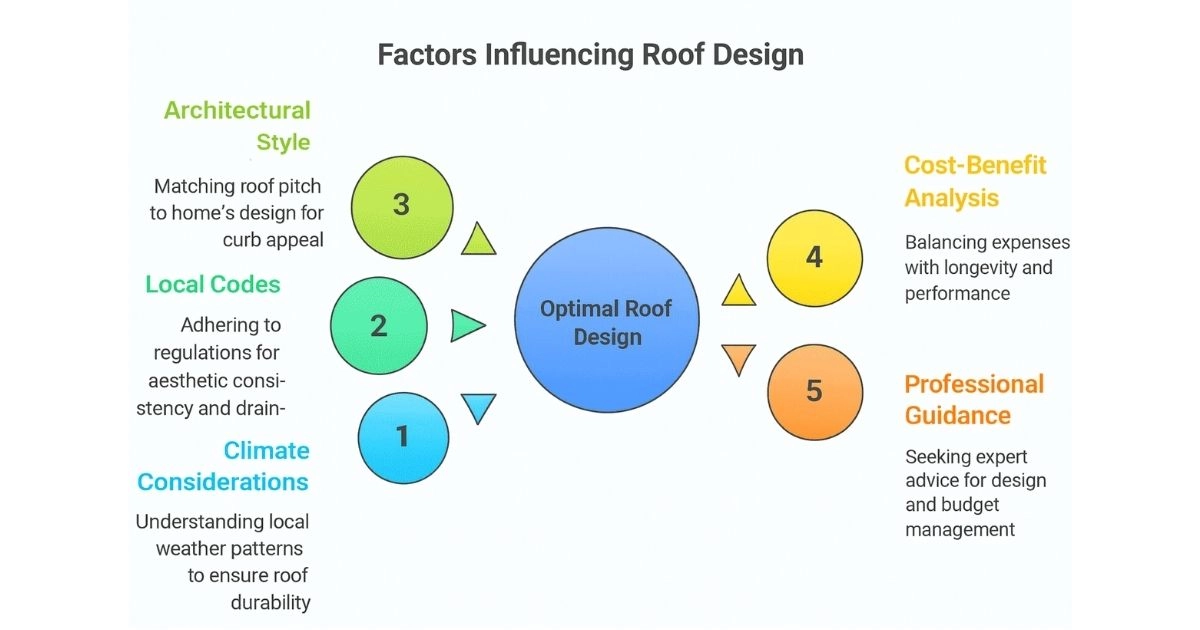
Roof pitch isn’t just about function it’s about form too. A low-slope roof creates a sleek, modern silhouette. A steep roofline gives your home a traditional, stately look. When homeowners search for Missouri roof pitch importance, they often want to balance curb appeal with practicality. The right pitch should fit your neighborhood’s architectural style and meet local building codes.
Common Problems Linked to Improper Roof Pitch
When a roof’s pitch isn’t right for its climate or design, problems can multiply. Issues include pooling water and leaks on a low-slope roof, ice dams from poor runoff in snowy areas, increased wear on shingles if water doesn’t drain quickly, poor attic ventilation that leads to mold and high energy bills, foundation problems if gutters can’t handle runoff from a steep roof. The solution is working with a contractor who understands Missouri roof pitch importance and local conditions so your design protects your home for decades.
How to Choose the Right Pitch for Your Home
The Prrotect Roofing Advantage
At Prrotect Roofing, we’ve helped countless Missouri and Illinois homeowners understand roof pitch importance alike. We combine local experience, industry expertise, and honest recommendations to ensure you get a roof that’s built to last. When you work with us, you get clear communication, durable materials, professional installation, and ongoing maintenance support to keep your roof performing its best in every season.
Final Thoughts on Missouri roof pitch importance
Roof pitch might seem like a technical detail, but it’s one of the biggest factors shaping your home’s safety, durability, and style. Whether you live here in Pennsylvania or you’re researching roof pitch importance Missouri for your next project, knowing how pitch affects drainage, weather resistance, attic space, and costs helps you make smart choices. At Prrotect Roofing, we’re here to answer your questions, inspect your roof’s pitch and condition, and help you plan any upgrades or replacements. When you understand your roof’s pitch, you protect your biggest investment your home for years to come.
Ready to Talk Roof Pitch? If you want to learn more about your roof’s pitch, drainage, or ventilation, reach out to contact us Prrotect Roofing today. We serve homeowners throughout Missouri and Illinois with expert inspections, honest advice, and quality work you can trust. Your roof deserves the strongest care keep it strong with Prrotect Roofing.
Frequently Asked Questions About Roof Pitch Importance Missouri
What is Roof Pitch?
It’s the steepness or slope of your roof, expressed as a ratio (e.g., 6:12), showing the vertical rise for every 12 inches of horizontal run.
Why is Roof Pitch important?
It critically affects drainage, weather resistance (shedding snow/rain), longevity, energy efficiency (ventilation), and the style of your home.
What are Common Residential Pitches?
- Low-Slope: 2:12 to 4:12 (requires strong waterproofing).
- Medium-Slope: 5:12 to 8:12 (most common, balances drainage/cost).
- Steep-Slope: 9:12 and higher (excellent for snow/water shedding).
How is Roof Pitch Measured?
As a ratio (e.g., 4:12) or in degrees (e.g., 12:12 is 45 degrees).
How does Pitch affect Snow and Rain?
A steeper pitch quickly sheds rain and snow, preventing leaks, excess weight, and ice dams, which is crucial in climates like Missouri.
What is the minimum pitch for asphalt shingles?
Asphalt shingles work well on slopes 4:12 and higher. Lower slopes often require specialized membrane systems.