Your roof serves as your home’s first line of defense against the harshest elements—rain, snow, hail, and the scorching sun. Over time, wear and tear take their toll, and neglecting roof maintenance can lead to costly repairs or even the need for a full roof replacement. Roof inspections, however, are one of the most proactive measures you can take to maintain the integrity of your home. By identifying minor issues before they escalate, you can extend the lifespan of your roof and save significantly on long-term repair costs. This article dives into why regular roof inspections are vital, how they help prevent damage, and why you should incorporate them into your regular home maintenance routine.
Routine maintenance is the foundation of a long-lasting roof. We detail why regular roof inspections are crucial for homeowners to catch early problems. Schedule a professional consultation with a specialized Webster Groves roofing expert today to ensure your roof is prepared for Missouri’s unpredictable weather.
The general principle of preventative maintenance applies everywhere, but localized weather conditions make it even more crucial. For residents in the area, we provide comprehensive roof inspections in New Melle to address specific regional vulnerabilities and extend the lifespan of your roofing system.
The Importance of Regular Roof Inspections
Although your roof is crucial to protecting your home, it often doesn’t get the attention it deserves until there’s a noticeable problem—such as a leak. However, by that time, the damage is often already extensive, which can lead to expensive repairs. Regular roof inspections are the best way to catch small issues before they develop into bigger, more costly problems. Here are some compelling reasons why regular roof inspections should be a part of your ongoing home maintenance plan.
Preventing Expensive Repairs
Roof leaks and structural damage can be costly to fix, especially if the issues are allowed to fester over time. In many cases, problems like missing shingles, damaged flashing, or blocked gutters go unnoticed until they cause significant water damage inside your home. When water infiltrates the roof structure, it can damage walls, ceilings, insulation, and even the foundation of your house. Such extensive repairs can run into the thousands of dollars.
By scheduling regular roof inspections, you are more likely to detect these issues early on, allowing you to address them before they require costly repairs. Minor damage, such as a few missing shingles, is much easier and cheaper to repair than dealing with water-damaged wood or compromised insulation. Early detection is one of the biggest benefits of a regular inspection and can save homeowners significant amounts of money in the long run.
Extending the Lifespan of Your Roof
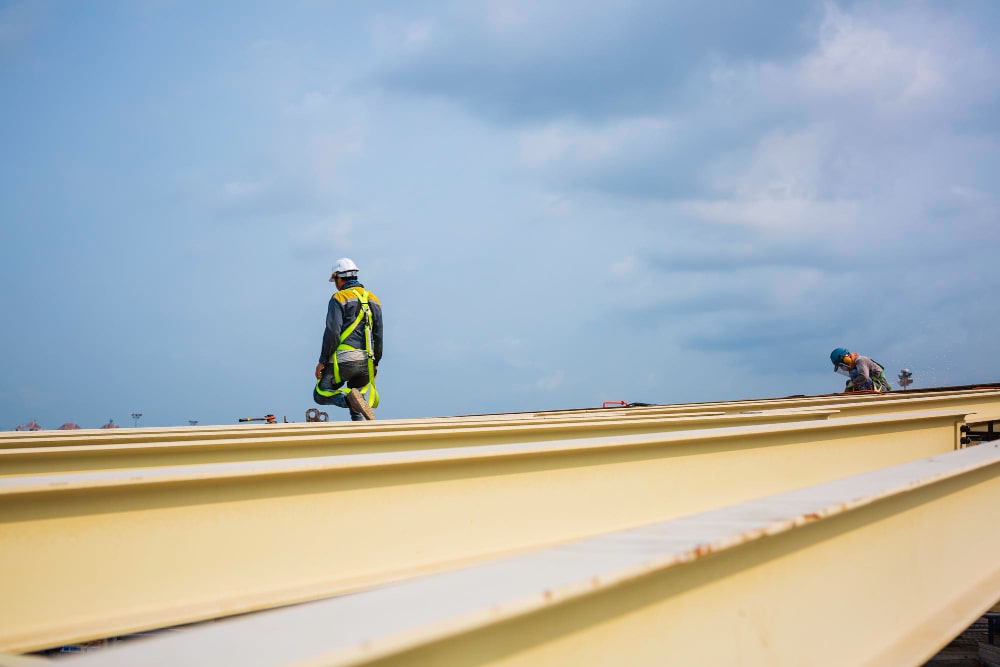
Roofs are a significant investment, and like any other part of your home, they have a limited lifespan. The average roof can last between 20 to 50 years depending on the materials used, climate conditions, and the care it receives. Regular roof inspections help you maintain and extend the life of your roof by identifying and addressing issues before they become severe.
For example, a roof that has regularly cleaned gutters, sealed flashing, and intact shingles can last much longer than a neglected roof where debris builds up and causes water damage. Regular inspections ensure that the roof remains functional and helps you avoid premature replacement costs.
Maintaining Property Value
Your roof is an essential component of your home’s value. If you neglect roof maintenance, it could impact your home’s curb appeal and reduce its resale value. Potential buyers will be hesitant to purchase a property with visible roof issues, as the cost of repairs or a full roof replacement can be substantial.
A well-maintained roof, on the other hand, can increase your home’s resale value. Regular inspections and proactive repairs help maintain the roof’s condition, which reflects well on the overall health of your home. Buyers will be more confident in purchasing a home with a roof that has been consistently cared for and maintained.
Protecting Your Home’s Structural Integrity
The roof plays an integral role in protecting the structural integrity of your home. Water entering through cracks or damaged areas can lead to mold, mildew, and weakened structural elements. This can result in wood rot and the eventual compromise of your roof’s support beams or attic structure.
A roof inspection helps to identify these risks before they compromise the structural integrity of your home. By repairing small leaks or damaged flashing early, you ensure that water doesn’t seep into the roof’s underlying structure, preventing costly damage to the home’s skeleton.
What Happens During a Roof Inspection?
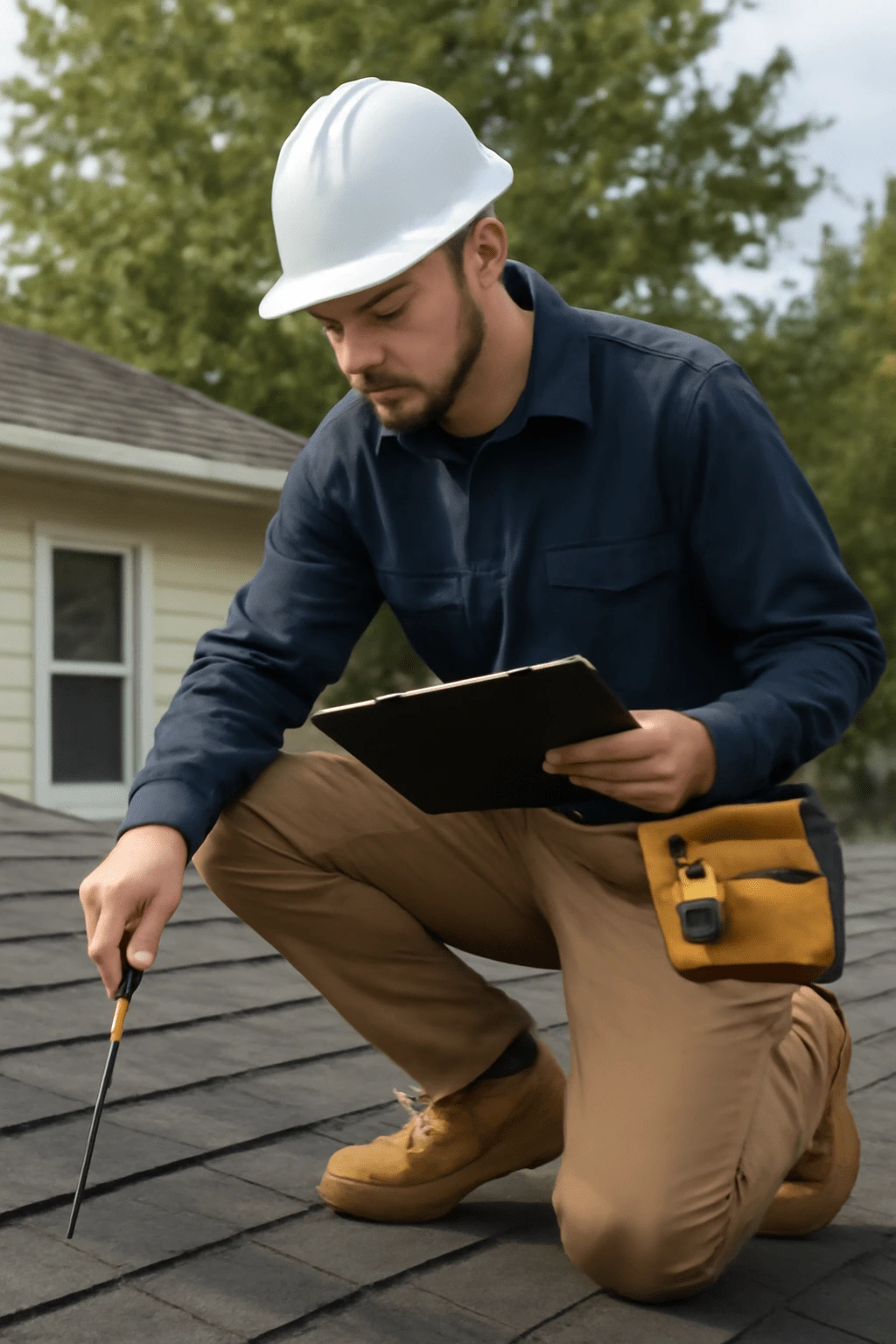
Roof inspections are thorough, but they don’t necessarily need to be complex. Typically, the process involves a detailed evaluation of both the interior and exterior of your roof. While some homeowners may be tempted to perform their own inspections, it’s best to call in a professional roofing contractor who has the expertise, safety equipment, and experience needed for a comprehensive assessment.
Exterior Roof Inspection
The exterior of the roof is the first area that needs to be inspected. This includes an evaluation of the shingles, flashing, gutters, and valleys. Here’s what the roofing inspector will look for:
- Shingles and Tiles: The inspector will check for missing, cracked, or curling shingles, which can expose the underlying layers to water infiltration. This may indicate aging shingles that need to be replaced.
- Flashing and Seals: Flashing, which is the material that seals gaps around chimneys, skylights, and vents, is inspected for any cracks, rust, or lifting. If the flashing is compromised, water can seep in, leading to significant roof leaks.
- Roof Valleys and Ridges: Roof valleys are the areas where two slopes meet. These areas are particularly vulnerable to leaks because they direct water off the roof. The inspector will check for any damage, debris, or signs of water backup in these regions.
- Gutters and Downspouts: The inspector will check gutters for blockages and ensure that water flows freely away from the roof and foundation. Clogged gutters can lead to water pooling on the roof, causing leaks and water damage.
Interior Roof Inspection
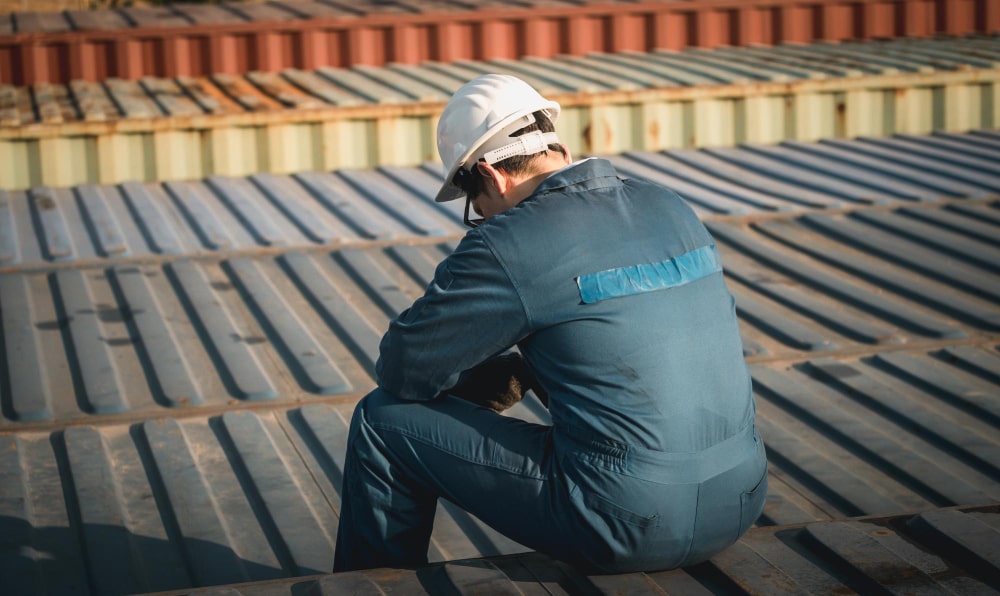
While the exterior inspection focuses on the roof’s visible components, the interior inspection looks for signs of water damage or mold in the attic. The inspector will examine the following:
- Water Stains or Discoloration: These stains can indicate a leak in the roof that has allowed water to infiltrate the attic. The inspector will pinpoint the source of the leak and assess its severity.
- Mold or Mildew: Mold or mildew in the attic can indicate that water has been infiltrating the roof for an extended period. This may also suggest that insulation has been compromised and needs replacing.
- Insulation Damage: Wet or deteriorating insulation can indicate a roof leak. The inspector will check for any signs of damage that could reduce the effectiveness of the insulation, which in turn affects your home’s energy efficiency.
Detailed Report and Recommendations
After completing the inspection, the contractor will provide you with a detailed report of their findings, including photographs and recommendations for any necessary repairs. This report will help you understand the condition of your roof and give you a clear idea of what steps need to be taken to prevent further damage.
How Often Should You Have Your Roof Inspected?
The frequency of roof inspections depends on various factors such as the age of your roof, weather conditions in your area, and any recent storms. In general, homeowners should have their roof inspected at least once a year, preferably in the spring or fall. Inspections during these seasons help ensure that your roof is prepared for harsh winter weather or heavy summer rains.
After Severe Weather Events
If your area experiences severe weather conditions, such as hail, heavy rain, or strong winds, it’s essential to schedule an inspection immediately after the storm. Even if you don’t notice any visible damage from the ground, hidden issues may exist, such as lifted shingles or compromised flashing. A professional inspection will identify these problems early, preventing costly water damage.
If Your Roof is Nearing Its End of Life
If your roof is nearing the end of its expected lifespan (typically 20–30 years for asphalt shingles), more frequent inspections may be necessary. Older roofs are more vulnerable to damage, and minor issues can escalate faster. Regular inspections can ensure that you catch problems early and address them before a complete replacement is needed.
Can You Perform a Roof Inspection Yourself?
While it is always recommended to hire a professional roofing contractor for a full inspection, homeowners can perform basic roof checks themselves. However, safety should always be a priority. If you decide to inspect your roof on your own, take these steps:
What You Can Check:
- Look for Obvious Signs of Damage: Check for missing or damaged shingles, cracks in the flashing, and debris buildup on the roof.
- Inspect the Gutters: Ensure that gutters are clear and free of blockages. Check for any leaks or signs of rust.
- Look Inside the Home: Check the attic for signs of water damage, mold, or mildew, as these can indicate a roof leak.
When to Call a Professional
If you notice any signs of significant damage or if you are unsure about the condition of your roof, it’s always best to contact a professional roofing contractor. A professional will have the tools, experience, and safety equipment needed to conduct a thorough inspection and provide recommendations for necessary repairs.
Regular Roof Inspections Are Key to Maintaining Your Roof’s Integrity
Regular roof inspections are essential for maintaining the integrity of your roof and protecting your home from water damage. By catching minor issues early, you can prevent major repairs and extend the lifespan of your roof. Regular inspections not only save you money in the long run but also ensure that your home remains safe, comfortable, and energy-efficient.
Investing in regular roof inspections is one of the most effective ways to protect your home and avoid costly repairs. Make roof inspections a priority and keep your roof in top condition for many years to come. If you need professional help, in Prrotect Roofing we have certified experts trained to identify roofing problems before they escalate, offering thorough inspections that safeguard your home.
FAQs
How often should I have my roof inspected?
Most experts recommend scheduling a roof inspection at least once a year. In addition, inspect after major storms or if your roof is aging faster. Bay to Bay Roofing+2This Old House+2
What does a roof inspection include?
A professional roof inspection typically covers the exterior (shingles, flashing, gutters, valleys) and interior (attic, insulation, signs of water damage). This Old House+1
Can I do a roof inspection myself?
You can perform basic checks (e.g., looking for missing shingles, clear gutters, signs of water inside), but a professional has the training, tools and safety equipment to do a full assessment. Bay to Bay Roofing
What are the benefits of regular roof inspections?
Regular inspections help detect small issues early, save on expensive repairs, extend the lifespan of your roof, and maintain your home’s value. Giromax Technology+1
What signs indicate my roof needs an inspection sooner?
Visible signs include missing or damaged shingles, cracked flashing, water stains or mold in the attic, blocked gutters, or after severe weather such as hail, wind or heavy rain. This Old House+1