A residential roof may look like one solid structure from the outside, but it is actually made up of several important components working together. Each layer serves a specific purpose, from blocking rain and snow to providing insulation, ventilation, and structural support. Understanding the different residential roof layers can help homeowners recognize the importance of proper installation, maintenance, and repairs.
For homeowners in Cottleville, Missouri, having a properly functioning roofing system is especially important because homes experience changing weather throughout the year. Rain, wind, snow, ice, heat, and seasonal temperature changes can all affect roofing materials. At Prrotect Roofing, we help homeowners understand how their roofing systems work and why maintaining all the residential roof layers is essential for long-term protection.
What Are Residential Roof Layers?
The term residential roof layers refers to the different components that make up a complete roofing system. While the exact construction can vary depending on the home’s design and roofing material, many residential roofs include several common components.
These may include the roof deck, underlayment, flashing, shingles or another outer covering, ventilation components, and insulation within the attic assembly.
Each layer works with the others. If one component becomes damaged or improperly installed, it can affect the performance of the entire roofing system.
Roof Decking Provides the Foundation
The roof deck is one of the most important structural components among the residential roof layers. It is typically made from plywood or oriented strand board and is attached to the home’s structural framing.
The roof deck provides the solid surface onto which other roofing materials are installed. It also helps distribute the weight of the roofing system across the underlying structure.
Water damage, prolonged moisture exposure, or deterioration can weaken roof decking. If a roof leak has been present for a long time, a professional inspection may be necessary to determine whether the decking has been affected.
Underlayment Adds an Extra Moisture Barrier
Underlayment is installed above the roof deck and below the exterior roofing material. It provides an additional layer of protection against moisture.
Even when shingles are properly installed, water can occasionally reach areas beneath them, particularly during severe weather. Underlayment helps provide another barrier between outside moisture and the roof deck.
Because it plays such an important role, underlayment is one of the key residential roof layers that homeowners should understand when discussing roof installation or replacement.
Shingles Protect the Exterior
Shingles are the visible portion of many residential roofing systems. They provide the first line of defense against rain, wind, sunlight, and other outdoor conditions.
As one of the most visible residential roof layers, shingles can also provide important clues about the condition of the roofing system. Curling, cracking, missing shingles, excessive granule loss, and other signs of deterioration may indicate that the roof requires professional attention.
Different types of shingles have different characteristics, expected service lives, and maintenance requirements.
Flashing Protects Vulnerable Areas
Flashing consists of protective materials installed around areas where water could potentially enter. Common locations include chimneys, skylights, roof valleys, vents, walls, and other roof penetrations.
Flashing helps redirect water away from these vulnerable points. Because these areas can be more susceptible to leaks, properly installed flashing is an essential part of the residential roof layers.
Damaged or loose flashing can allow moisture to reach the roof deck or interior of the home. Regular inspections can help identify flashing problems before they become more extensive.
Roof Ventilation Helps Manage Heat and Moisture
Ventilation is another important part of a roofing system. Proper airflow helps manage heat and moisture in the attic.
Without adequate ventilation, excessive heat or moisture can contribute to deterioration of roofing materials and other components. Proper ventilation can also support the overall performance of the roofing system.
Although ventilation may not look like one of the traditional residential roof layers, it is an important part of how the complete roof system functions.
Insulation Supports Energy Efficiency
Insulation is generally located within the attic rather than directly on top of the roof deck, but it plays an important role in the overall roofing and home envelope system.
Proper insulation helps regulate indoor temperatures and can reduce the amount of heat transferred between the living space and attic.
When homeowners evaluate their residential roof layers, it is useful to consider the relationship between insulation, ventilation, and the roof structure. These components can work together to support a more comfortable and efficient home.
How the Layers Work Together
The different residential roof layers are designed to work as a system rather than as independent components.
For example, shingles protect the roof from direct exposure to weather, while underlayment provides an additional moisture barrier underneath. Flashing protects vulnerable joints and penetrations, while the roof deck provides structural support.
Ventilation and insulation help manage conditions beneath the roof covering. When each component is properly installed and maintained, the entire system can provide better protection for the home.
What Happens When One Layer Is Damaged?
A problem with one component can eventually affect other residential roof layers. For example, a small flashing failure may allow water to reach the underlayment and roof deck. If moisture remains present for an extended period, it may contribute to deterioration of the decking or other materials.
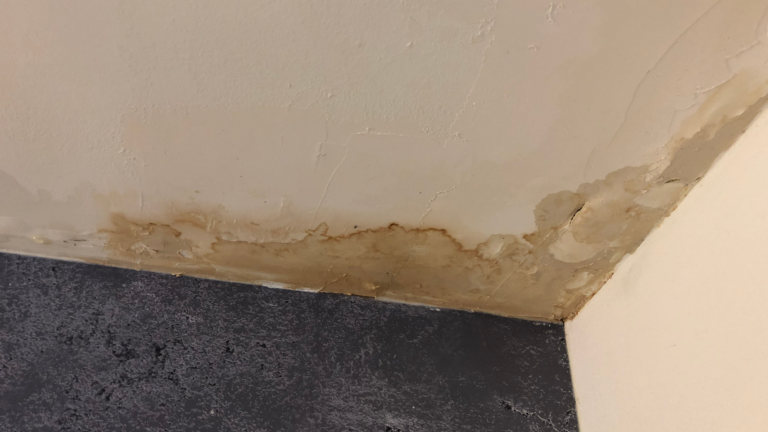
This is why homeowners should not ignore signs such as ceiling stains, damp attic insulation, missing shingles, visible flashing damage, or musty odors.
Addressing problems early can help prevent damage from spreading through multiple layers of the roofing system.
Why Professional Roof Inspections Matter
Because many roofing components are hidden beneath the visible shingles, homeowners cannot always determine the full condition of their roof through a ground-level inspection.
A professional roofing inspection can evaluate visible materials and identify areas that may require closer attention. Depending on the situation, a roofing professional may examine shingles, flashing, ventilation, underlayment concerns, and signs of damage to the roof deck.
Regular inspections can help homeowners better understand the condition of their residential roof layers and address problems before they become more extensive.
Maintaining Your Residential Roof
Homeowners can take several steps to help maintain their roofing system. Keep gutters and downspouts clear, trim branches away from the roof, watch for damaged shingles, and schedule professional inspections when appropriate.
After severe storms, it is also a good idea to have the roof checked for potential damage. Prompt repairs can help protect the different residential roof layers and reduce the risk of moisture intrusion.
Regular maintenance can also help extend the useful life of the entire roofing system.
Trust Prrotect Roofing in Cottleville, MO
At Prrotect Roofing, we understand that homeowners need more than an attractive roof. They need a roofing system in which every component works together to protect the home.
Our team can help homeowners understand the condition of their residential roof layers, identify potential problems, and determine whether repairs or other roofing services may be appropriate.
Whether you are maintaining an existing roof, dealing with storm damage, or planning a future roof replacement, understanding how the different layers work can help you make informed decisions about your home.
Conclusion
A residential roof is much more than the shingles visible from the outside. The roof deck, underlayment, shingles, flashing, ventilation, and insulation all contribute to the overall performance of the system.
Understanding the different residential roof layers helps homeowners recognize why proper installation, maintenance, and timely repairs are so important. When one component becomes damaged, the problem can potentially affect other parts of the roofing system.