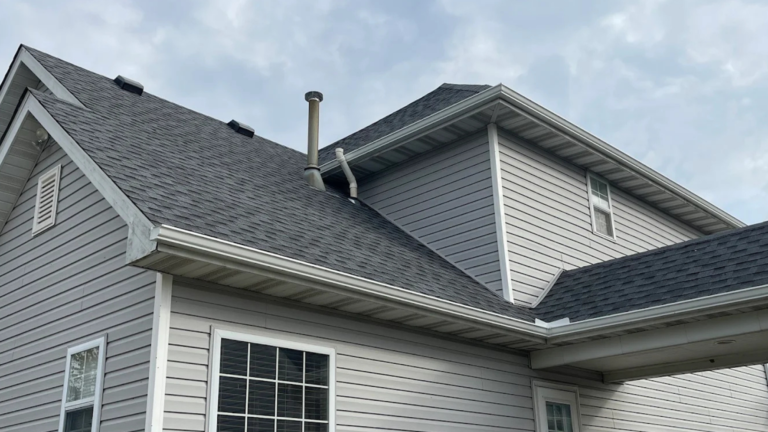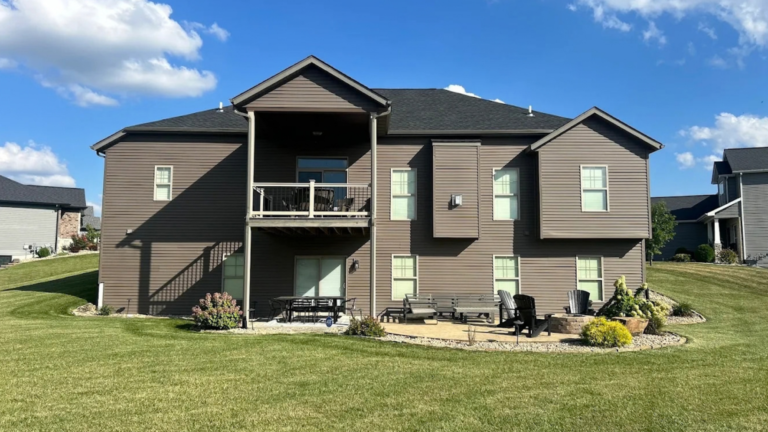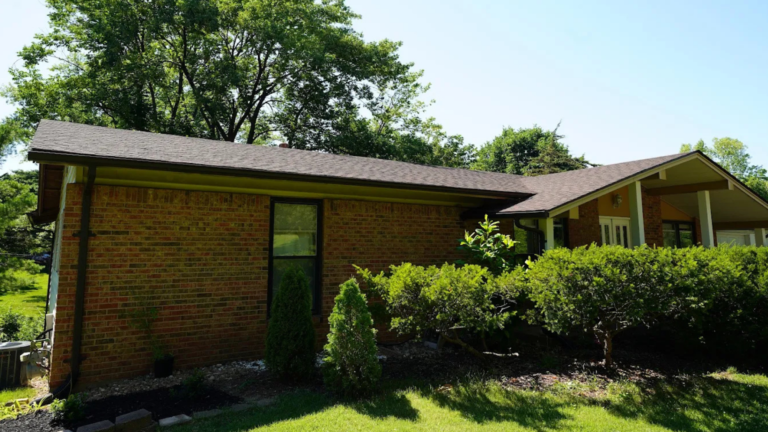
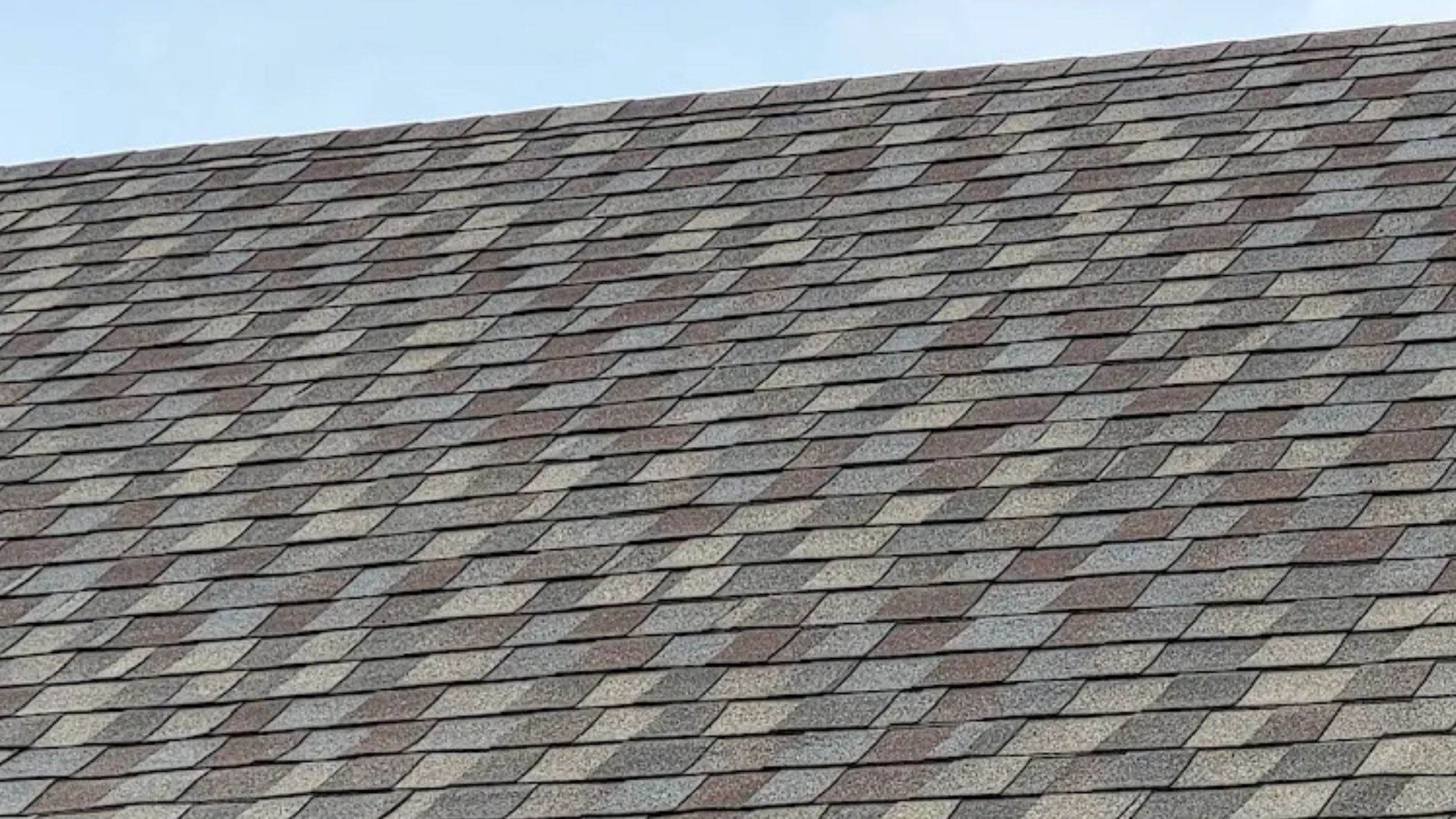
Asphalt shingles are one of the most common roofing materials used on residential homes because they offer a practical combination of durability, appearance, and protection. However, like any exterior building material, asphalt shingles can be affected by environmental conditions. One common concern homeowners may encounter is algae growth.
Dark streaks or discoloration on a roof may seem like a simple cosmetic issue, but persistent algae growth can make a roof look older and may indicate that the roofing surface is being exposed to consistently damp conditions. Understanding roof algae prevention can help homeowners maintain the appearance and performance of their asphalt shingle roofs.
What Causes Algae to Grow on Asphalt Shingles?
Algae generally thrive in environments where moisture is present for extended periods. Roof sections that receive limited sunlight may remain damp longer, creating conditions that encourage algae growth.
Trees and surrounding structures can also contribute by creating shade and allowing leaves or other debris to remain on the roof.
Understanding these conditions is an important first step in roof algae prevention. Homeowners who know where moisture and shade tend to accumulate can take steps to reduce conditions that encourage algae.
What Does Roof Algae Look Like?
Algae on asphalt shingles often appears as dark streaks, stains, or areas of discoloration. These marks may initially appear on one portion of the roof and gradually spread.
Because algae can resemble ordinary dirt from a distance, homeowners may not immediately realize what is causing the discoloration.
If you notice unusual dark streaks or changes in the appearance of your shingles, a professional roof inspection can help determine whether algae or another roofing issue is responsible. Early identification supports effective roof algae prevention and maintenance.
How Algae Can Affect Roof Appearance
One of the most noticeable effects of algae is its impact on curb appeal. Dark streaks can make an otherwise well-maintained roof appear dirty, stained, or older than it actually is.
For homeowners considering selling their property, the appearance of the roof can influence the overall impression of the home.
Regular maintenance and roof algae prevention can help homeowners keep asphalt shingles looking cleaner and more uniform.
Moisture Is a Major Factor
Moisture plays an important role in algae growth. Roof areas that stay damp after rainfall can provide a favorable environment for algae.
Poor drainage, clogged gutters, overhanging vegetation, and excessive shade can all contribute to prolonged moisture exposure.
Improving drainage and reducing unnecessary moisture around the roof are useful roof algae prevention strategies. Keeping gutters and downspouts clear can also help rainwater move away from the roof and home properly.
The Role of Shade and Trees
Trees can provide valuable shade for a home, but branches and dense vegetation can also create roofing maintenance challenges. A heavily shaded roof may dry more slowly after rain.
Leaves, twigs, and other organic debris can also accumulate on shingles and retain moisture.
Trimming branches that extend too close to the roof can support roof algae prevention by improving sunlight exposure and reducing debris accumulation.
However, tree trimming should be performed safely and without damaging the roofing materials.
Can Algae Damage Asphalt Shingles?
Algae growth is often primarily an appearance concern, but persistent moisture and organic growth can contribute to unfavorable conditions for a roof.
Homeowners should not assume that dark streaks automatically mean the shingles are failing. However, algae can make it more difficult to evaluate the true condition of the roofing surface and may occur alongside other maintenance concerns.
Regular inspections remain an important part of roof algae prevention because they allow potential roofing problems to be identified early.
Why Cleaning the Roof Requires Care
Homeowners may be tempted to aggressively scrub algae from asphalt shingles. However, excessive pressure or improper cleaning methods can damage the surface of the shingles.
Roofing materials can be sensitive to harsh treatment, and walking on shingles can also cause unnecessary wear.
For this reason, homeowners should consider professional guidance before attempting extensive roof cleaning. Proper maintenance is an important part of roof algae prevention, but cleaning methods should be appropriate for the roofing material.
How to Prevent Algae Growth
Homeowners can take several practical steps to support roof algae prevention.
Keep gutters and downspouts clear so water can drain properly. Remove excessive debris from the roof when it can be done safely. Keep nearby vegetation trimmed to improve airflow and sunlight exposure.
Regularly inspect the roof for dark streaks, moisture accumulation, damaged shingles, and other changes.
Professional inspections can also help identify conditions that may contribute to recurring algae growth.
Choosing Algae-Resistant Roofing Materials
When replacing an aging roof, homeowners may want to discuss roofing products designed to provide greater resistance to algae discoloration.
Some asphalt shingles are manufactured with features intended to help reduce algae-related staining. The right choice depends on the home’s needs, roofing design, budget, and other considerations.
Discussing available options with a professional roofer can make roof algae prevention part of the planning process when selecting a new roofing system.
Regular Roof Inspections Support Prevention
Routine inspections are one of the most effective ways to stay ahead of roofing problems. A professional can evaluate shingles, flashing, roof valleys, drainage areas, and other components for signs of wear or damage.
Inspections can also help identify areas where shade, debris, or moisture may contribute to algae growth.
By combining inspections with routine maintenance, homeowners can take a proactive approach to roof algae prevention instead of waiting until discoloration becomes widespread.
Preparing Your Roof for Missouri Weather
Cottleville homeowners experience changing weather throughout the year. Rain, humidity, storms, heat, and winter conditions can all affect the roof.
Maintaining proper drainage and keeping the roof free of unnecessary debris can help reduce moisture-related concerns.
Seasonal maintenance is therefore an important part of roof algae prevention. Checking the roof after periods of heavy rainfall or severe weather can help homeowners identify developing problems before they become more serious.
When Should Homeowners Call a Roofing Professional?
If algae growth is widespread, the roof is difficult to access, or homeowners notice other signs of deterioration, professional assistance may be appropriate.
Warning signs that deserve attention include damaged or missing shingles, persistent moisture, leaks, sagging areas, deteriorated flashing, and extensive discoloration.
A professional can determine whether the roof simply needs maintenance or whether another underlying issue is contributing to the algae growth. This evaluation can strengthen your overall roof algae prevention plan.
Trust Prrotect Roofing in Cottleville, MO
At Prrotect Roofing, we understand that homeowners want their roofs to remain attractive, durable, and protective. Algae growth may seem like a minor concern, but it can be a sign that certain areas of the roof are frequently exposed to moisture and shade.
Our team can help homeowners evaluate their roofing systems and identify maintenance concerns. From routine inspections to roofing repairs and replacement considerations, professional care can support long-term roof algae prevention.
For homeowners in Cottleville, Missouri, taking proactive steps can help keep their asphalt shingle roofs in better condition through changing seasons.
Conclusion
Algae growth can affect the appearance of asphalt shingle roofs and may be associated with areas where moisture and shade remain for extended periods. While dark streaks do not necessarily mean that a roof is failing, they should not be ignored.
Effective roof algae prevention starts with controlling moisture, maintaining proper drainage, managing nearby vegetation, keeping the roof clear of debris, and scheduling regular inspections.