Roof problems are not always easy to notice, especially when they involve water collecting on the roof after rainfall. While a little moisture may remain temporarily after a storm, water that continues to sit in the same area can become a serious concern. Known as roof ponding water, this issue can contribute to leaks, material deterioration, and costly repairs if homeowners ignore it.
For homeowners in Cottleville, Missouri, changing weather conditions make proper roof drainage especially important. Heavy rain, seasonal storms, snow, and ice can put additional stress on roofing systems. Understanding the causes and warning signs of roof ponding water can help homeowners protect their properties and recognize when professional attention is needed. Prrotect Roofing helps homeowners understand roofing concerns and maintain roofs that protect their homes throughout the year.
What Is Roof Ponding Water?
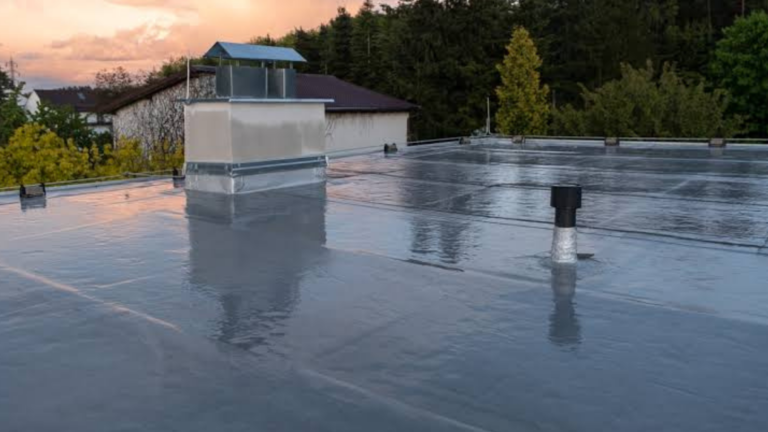
Roof ponding water occurs when water collects in a low area of a roof instead of draining away properly. It is most commonly associated with flat and low-slope roofs, although drainage problems and uneven surfaces can cause water to collect on other roof designs.
After rainfall, some roofs may retain small amounts of moisture for a short period. However, when water remains in one location for an extended time, it may indicate a drainage problem, structural issue, or damaged roofing material.
Roof ponding water should not be ignored simply because the roof does not appear to be leaking. Water can gradually weaken roofing materials and find its way into small openings around seams, flashing, vents, and other roof penetrations.
Common Causes of Roof Ponding Water
Several factors can contribute to roof ponding water. Identifying the underlying cause is important because removing the standing water alone will not necessarily prevent it from returning.
Poor Roof Drainage
A properly designed roofing system should direct rainwater toward drains, gutters, scuppers, or designated drainage areas. When these components become clogged, damaged, or improperly positioned, water may collect on the roof.
Leaves, twigs, dirt, and other debris can interfere with drainage. Regular inspections and appropriate maintenance help keep water moving away from vulnerable areas.
Uneven or Sagging Roof Surfaces
Low spots can develop when roofing materials settle or the roof structure begins to sag. These depressions create areas where water naturally accumulates.
Roof ponding water caused by sagging deserves particular attention because it may indicate a structural concern. Continued moisture and additional water weight can make an existing problem worse. Homeowners should arrange a professional inspection if they notice visible sagging or recurring pools of water.
Improper Roof Installation
Roofing systems require proper slope, drainage planning, and installation techniques. If a roof is installed without adequate drainage or with uneven surfaces, water may not flow toward the intended outlets.
Poorly installed seams, flashing, and drainage components can also create vulnerable areas. Professional installation and timely corrections can help reduce the risk of recurring roof ponding water.
Clogged Gutters and Drains
Gutters and roof drains play an important role in directing rainwater away from a home. When they become blocked, water may back up or overflow instead of moving through the drainage system.
Homeowners should inspect accessible gutters and downspouts regularly, particularly after storms and during seasons when leaves accumulate. Any drainage problem involving roof-mounted drains should be evaluated and corrected safely.
Why Roof Ponding Water Is a Concern
Standing water can affect more than the appearance of a roof. If the problem continues, it may contribute to several types of damage.
Increased Risk of Roof Leaks
Water that remains on the roof for long periods can expose seams, joints, and vulnerable areas to prolonged moisture. If roofing materials are already damaged or deteriorating, water may eventually enter the home.
Leaks can damage ceilings, insulation, walls, flooring, and personal belongings. Roof ponding water near flashing, vents, or other roof penetrations deserves particular attention because these areas depend on effective waterproofing.
Premature Roofing Material Deterioration
Roofing materials are designed to withstand normal weather exposure, but persistent standing water can accelerate deterioration when the system is not designed to accommodate it.
Moisture may contribute to the breakdown of certain sealants, seams, and protective surfaces. Over time, repairs may become more extensive if the source of the ponding is not addressed.
Additional Weight on the Roof
Water is heavy, and large or deep pools can place additional weight on a roof. If the roof structure is already weakened, this added load may increase the risk of further sagging or damage.
Homeowners should never assume that a roof can safely support significant standing water. If there is visible structural movement, severe sagging, or signs of possible collapse, keep people away from the affected area and seek urgent professional assistance.
Mold and Interior Moisture Problems
When roof ponding water leads to a leak, moisture can accumulate inside the home. Damp insulation, ceiling materials, and wall cavities may create conditions that support mold growth.
Persistent indoor moisture can also cause unpleasant odors and damage finishes. Addressing the roof problem early helps reduce the possibility of more extensive interior repairs.
Warning Signs Homeowners Should Watch For
Homeowners do not need to climb onto their roofs to recognize every potential drainage problem. Many warning signs can be noticed from the ground or inside the home.
Watch for these indicators:
- Pools of water that remain on a roof well after rainfall.
- Water overflowing from gutters during ordinary rain.
- Repeated leaks or damp spots on ceilings.
- Peeling paint, discoloration, or bubbling on interior surfaces.
- Visible sagging or uneven areas on the roof.
- Damaged flashing, loose roofing materials, or deteriorating seams.
- Persistent moisture around roof drains or drainage outlets.
Roof ponding water that returns after every storm may indicate an unresolved drainage or structural issue. Documenting when the problem occurs and where water collects can help a roofing professional assess the situation.
How Homeowners Can Help Prevent Roof Ponding Water
Preventive maintenance can help homeowners identify drainage issues before they lead to more serious damage.
Keep Drainage Systems Clear
Remove debris from gutters and downspouts as part of regular home maintenance. Roof drains and scuppers should also be kept clear, where safely accessible. If the drainage system is difficult to reach, hire a qualified professional rather than attempting dangerous roof work.
Schedule Regular Roof Inspections
A professional roof inspection can identify damaged materials, blocked drainage components, deteriorating flashing, and areas where water may collect. Inspections are especially useful after severe weather or when homeowners notice recurring drainage problems.
Prrotect Roofing can help homeowners in Cottleville, Missouri, evaluate roofing concerns and determine whether maintenance or repairs are appropriate.
Address Small Problems Promptly
Loose materials, damaged seams, and deteriorating sealants may allow water to enter the roofing system. Repairing these issues early can help prevent more extensive damage.
If roof ponding water repeatedly appears in the same location, homeowners should address the underlying cause instead of relying only on temporary fixes.
Avoid Improper DIY Repairs
Applying random sealants or adding roofing materials without understanding the problem can interfere with drainage or create new weak points. Some roof systems require specialized materials and repair methods.
A qualified roofing professional can determine whether the solution involves cleaning drainage components, repairing the roofing membrane, correcting the slope, or investigating a structural issue.
When to Call a Professional Roofer
Professional help is recommended when standing water remains for an extended period, repeatedly returns, or appears alongside leaks and visible roof damage. An inspection is also important when the roof seems uneven or the drainage system no longer works as intended.
The correct solution depends on the roof’s design and condition. In some cases, clearing a blocked drain may resolve the issue. Other situations may require drainage improvements, membrane repairs, or corrections to the roof’s slope. Structural concerns may require assessment by an appropriate building professional.
Prrotect Roofing understands that homeowners want reliable solutions rather than repairs that only address the symptoms. A professional evaluation can help identify the cause of roof ponding water and guide the next steps toward protecting your property.
Protect Your Roof With Prrotect Roofing in Cottleville, MO
Roof drainage is an important part of keeping your home protected from rain and moisture. Although standing water may seem harmless at first, persistent roof ponding water can contribute to leaks, material deterioration, structural stress, and expensive interior damage.
Homeowners in Cottleville, Missouri, can reduce these risks by keeping drainage systems clear, scheduling regular roof inspections, and addressing visible warning signs promptly. Taking action early can help preserve the condition of the roofing system and prevent small problems from becoming major repairs.
A well-maintained roof does more than keep rain out. It helps protect your home’s structure, comfort, and long-term value.