A leaking RV roof is one of the costliest surprises any RV owner can face. What starts as a small crack or loose seal can quickly turn into major structural damage if it isn’t fixed in time. Understanding the rv roof repair cost helps RV owners prepare financially and avoid bigger problems down the road. The total repair price can vary widely depending on the damage, roof material, and whether you hire a professional or attempt a DIY fix.
In this guide, we’ll break down average repair price ranges, explain the factors that increase costs, compare DIY vs. professional repairs, and share practical tips that can help you save money while keeping your RV roof in good condition.
How Much Does RV Roof Repair Cost?
The cost of RV roof repair varies depending on the severity of the damage and the type of repair required. Minor fixes such as sealing cracks or resealing vents are relatively inexpensive; however, for more complex issues, Clayton roof repair specialists note that structural damage or a full roof replacement and installation can cost several thousand dollars.
Most RV owners spend anywhere from a few hundred dollars to over $10,000 depending on the situation. The table below provides a quick overview of typical repair price ranges.
| Repair Type | Estimated Cost |
|---|---|
| Minor sealing / crack patch | $200 – $800 |
| Seam & vent repair | $500 – $1,500 |
| Partial roof section replacement | $1,000 – $4,000 |
| Full rubber (EPDM/TPO) replacement | $5,000 – $12,000 |
| Rotted wood + full rebuild | $8,000 – $15,000+ |
These ranges include both labor and materials. However, location, roof size, and hidden damage can push costs higher.
Roof Repair Cost by Roof Material
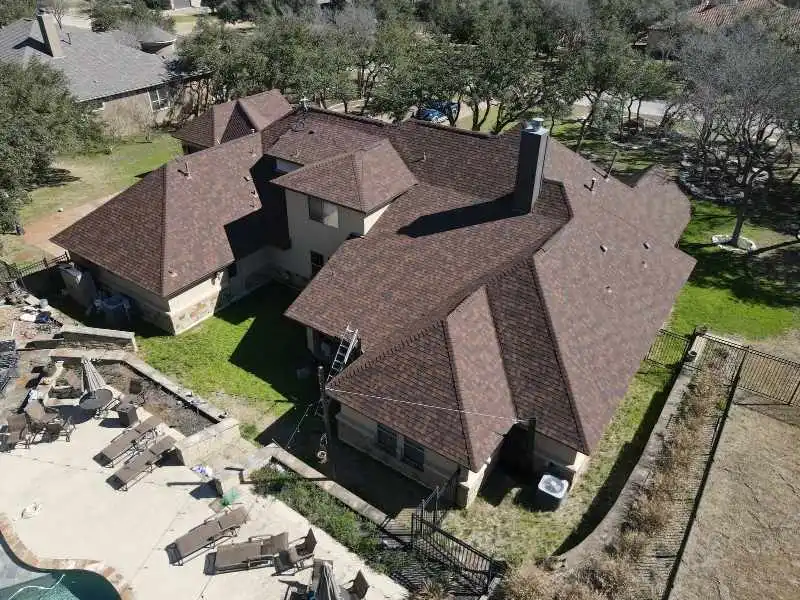
The type of material used on your RV roof plays a major role in determining repair pricing. Some materials are easier to patch and maintain, while others require specialized labor and tools.
EPDM Rubber Roofs
EPDM rubber is the most common RV roofing material. It’s flexible, relatively easy to repair, and affordable. Small cracks or punctures can often be sealed quickly, which keeps repair costs lower compared to other materials.
TPO Rubber Roofs
TPO roofs are similar to EPDM but slightly more durable and resistant to UV damage. Repair costs are usually comparable, though some specialized adhesives and sealants may increase material expenses slightly.
Fiberglass Roofs
Fiberglass roofs are strong and durable but more complicated to repair. Patching cracks or structural damage often requires sanding, resin application, and professional finishing, which increases labor costs.
Aluminum Roofs
Older RV models sometimes use aluminum roofing. Repairs can be expensive because the material is harder to source and requires specialized installation techniques.
Cost by RV Type
The size and design of your RV also influence repair costs. Larger roofs require more materials and labor time, which naturally increases the total expense.
Travel Trailers
Travel trailers typically have smaller roofs compared to motorhomes, making repairs more affordable. Most minor repairs stay within the lower end of the cost spectrum.
Fifth Wheels
Fifth wheel RVs have larger roof surfaces and more fixtures such as skylights and vents. These additional components require extra labor during repairs, which raises the average rv roof repair cost for these units.
Class A Motorhomes
Class A motorhomes have the largest roof areas of any RV type. Because of their size and complexity, major repairs or roof replacements can become quite expensive.
Class B Vans
Class B camper vans have smaller roof spaces and fewer roof components. This makes repairs simpler and often significantly cheaper. Many repair shops also calculate labor based on roof length, typically charging around $175 to $350 per linear foot.
What Factors Drive the Cost Up?
Several factors influence the final price of an RV roof repair. Even a small issue can become expensive if hidden damage is discovered during the repair process.
Extent of Damage
Surface cracks or minor leaks are usually inexpensive to fix. However, if water has penetrated the roof membrane and damaged the wood underneath, repairs become much more complex and costly.
Hidden Structural Damage
Rotten wood, mold, or insulation damage beneath the roofing membrane can significantly increase labor and material costs.
Labor Rates by Region
Repair shops in different regions charge different labor rates. Urban areas and popular RV travel destinations often have higher service prices.
Roof Size and Accessibility
Large RV roofs take longer to repair and require more materials. Limited access to certain roof areas can also increase labor time.
Roof Fixtures and Equipment
Vents, skylights, air conditioning units, and solar panels must be carefully worked around during repairs, adding extra time and complexity to the job.
DIY vs. Professional RV Roof Repairs Cost Comparison
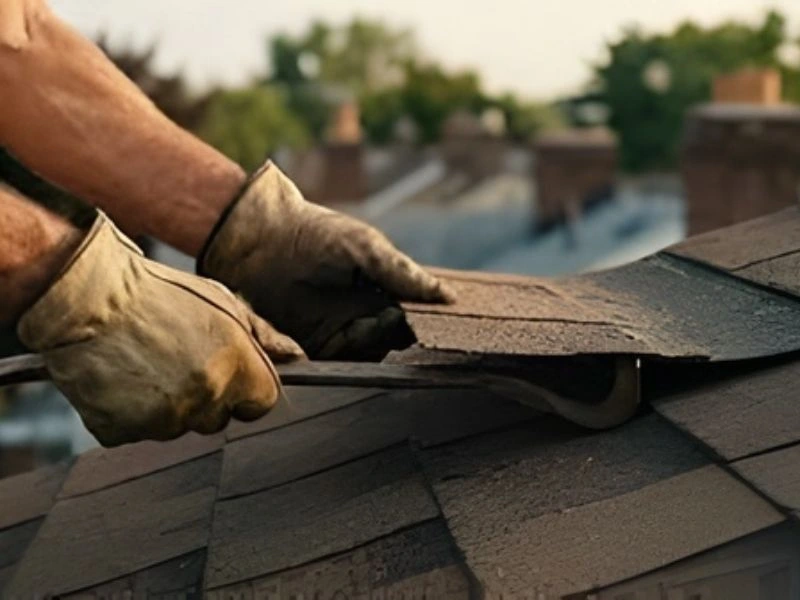
Many RV owners consider repairing roof damage themselves to save money. While DIY solutions can work in certain situations, they are not always the best option. Simple repairs such as resealing seams or patching small cracks can often be handled with DIY materials costing $50 to $300. A full DIY roof coating using liquid rubber products may cost $200 to $600 depending on the size of the roof.
However, more serious issues should be handled by professionals. Structural damage, widespread leaks, or membrane failure require specialized tools and experience. A professional repair may cost more upfront, but it ensures the job is done correctly and prevents further damage. Attempting complex repairs without proper experience can lead to mistakes that significantly increase the rv roof repair cost later. DIY repairs are best for minor maintenance tasks, while professional services are recommended for large or complicated roof problems.
Will Insurance or Warranty Cover RV Roof Repair?
In some cases, RV roof repairs may be covered by insurance or warranties, depending on the cause of the damage. Manufacturer warranties typically cover defects in materials or workmanship but usually do not include damage caused by weather, neglect, or accidents. Extended warranty plans sometimes include roof repairs, but coverage varies widely between providers.
RV insurance policies often cover roof damage caused by storms, falling objects, or collisions. If a tree branch damages your roof during a storm, your insurance provider may pay for the repairs. To improve your chances of approval, document the damage with photos and contact your insurance company quickly. Many insurers will send an adjuster to inspect the damage before approving the repair claim.
How to Spot Roof Damage Early (and Save Money)
Catching roof damage early can save RV owners thousands of dollars in repairs. Small leaks and cracks are far cheaper to fix than major structural damage. Common warning signs include water stains on the ceiling, soft spots in the roof, bubbling roof membranes, and cracked sealant around vents or skylights. These symptoms often indicate water infiltration.
Experts recommend inspecting your RV roof at least twice a year, typically in spring and fall. Regular inspections allow you to spot minor problems before they worsen. Annual resealing of roof seams and vents is another important maintenance step. Preventive resealing usually costs around $100 to $300, which is far less expensive than dealing with major repairs later. Early maintenance is one of the most effective ways to reduce long-term repair expenses.
FAQs
Final Thoughts
RV roof repair costs can range from a few hundred dollars for minor sealing to well over $10,000 for full roof replacements. Roof repair cost depends on factors like roof material, RV type, labor rates, and the severity of the damage. Regular inspections and preventive maintenance can help you catch small issues before they turn into expensive repairs.
If you notice signs of roof damage, it’s best to schedule a professional inspection as soon as possible. Getting an expert evaluation early can save money, protect your RV, and prevent small leaks from turning into major structural problems. Get a fast, free estimate for your roof repair today.