Asphalt shingles are designed to protect your home from rain, wind, sunlight, and changing weather conditions. One of the most important parts of an asphalt shingle is its layer of protective granules. These small, mineral-like particles cover the surface of the shingles and help protect the roofing material from the elements.
Over time, homeowners may notice some granules collecting in gutters or downspouts. A small amount of granule shedding can occur as shingles age, but significant shingle granule loss may indicate that the roof is experiencing accelerated wear or damage.
What Are Roof Shingle Granules?
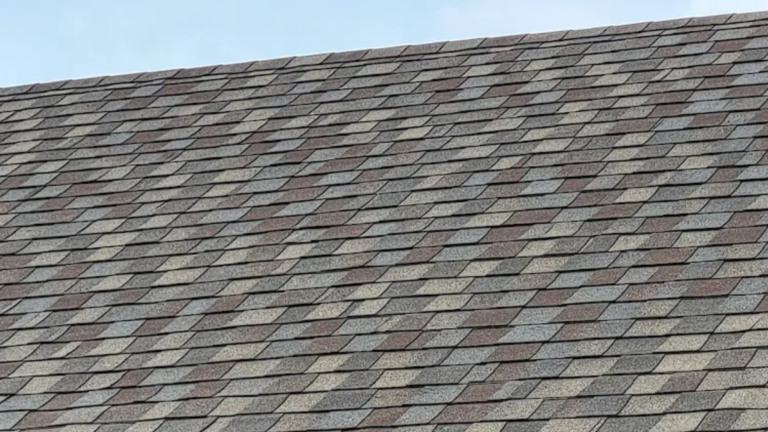
Roofing granules are small mineral particles embedded into the surface of asphalt shingles. They provide several important functions, including helping protect the asphalt beneath from ultraviolet radiation and contributing to the shingle’s overall weather resistance.
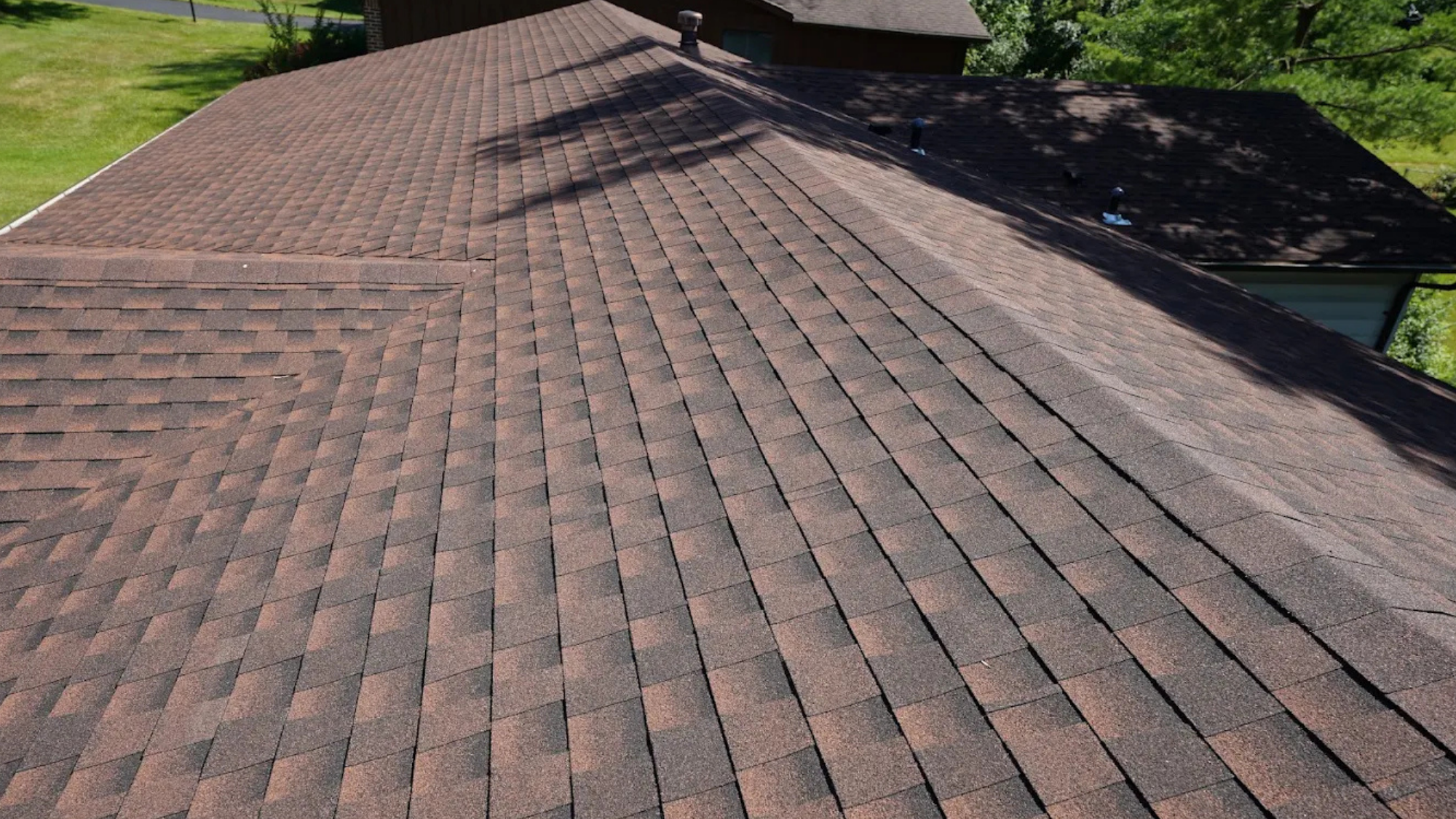
The granules also give shingles their color and texture. When these particles begin to disappear from the surface, the underlying asphalt may become more exposed.
Understanding the purpose of granules helps homeowners recognize why excessive shingle granule loss deserves attention.
Normal Granule Shedding vs. Excessive Loss
Some granule shedding is normal, particularly when a roof is newly installed. Loose granules may wash into gutters following rainfall or appear around the home’s downspouts.
However, homeowners should pay attention if they notice large quantities of granules accumulating in gutters or areas where the granule layer appears noticeably thinner.
Significant shingle granule loss can be associated with aging, weather exposure, physical damage, or other roofing concerns.
Aging Asphalt Shingles
One of the most common causes of shingle granule loss is natural aging. As asphalt shingles approach the later portion of their service life, the materials can become less resilient.
Years of exposure to sunlight, rain, wind, and temperature changes can gradually weaken the shingle surface. As the asphalt deteriorates, granules may become loose and wash away more easily.
If your roof is older and you are noticing increasing amounts of granules in the gutters, a professional inspection can help determine whether normal aging or a more significant issue is involved.
Severe Weather Can Remove Granules
Missouri homeowners experience a variety of weather conditions that can affect asphalt shingles. Strong winds, heavy rain, hail, and severe storms can all contribute to shingle granule loss.
Hail can be particularly concerning because it may impact the surface of shingles and loosen or dislodge granules. Wind-driven debris can also scrape against the roofing surface.
After a major storm, homeowners should consider having their roof professionally inspected, even when damage is not immediately visible from the ground.
Foot Traffic Can Damage Shingles
Walking on an asphalt shingle roof can cause unnecessary wear. Repeated or improper foot traffic may loosen granules or damage the surface of the shingles.
Homeowners should avoid walking on their roof unless necessary and should consider hiring a professional for inspections, maintenance, or other work.
Reducing unnecessary foot traffic can help minimize preventable shingle granule loss.
Poor Installation Can Contribute to Granule Loss
The quality of installation can influence how well roofing materials perform over time. Improper handling of shingles during installation may cause premature surface damage.
If shingles are installed incorrectly or subjected to unnecessary stress during the roofing process, the surface may experience accelerated wear.
Professional installation helps reduce the risk of installation-related shingle granule loss and allows roofing materials to perform as intended.
Improper Cleaning Methods
Roof cleaning can also affect the condition of asphalt shingles. Aggressive scrubbing, pressure washing, or inappropriate cleaning products can disturb the granules on the surface.
Although homeowners may want to remove dirt, moss, or algae, cleaning should be performed carefully and with methods appropriate for asphalt shingles.
If you are concerned about roof staining or organic growth, professional advice can help prevent cleaning efforts from causing additional shingle granule loss.
How to Recognize Shingle Granule Loss
Homeowners can watch for several signs that may indicate excessive shingle granule loss.
Common signs include:
- Large amounts of granules in gutters
- Granules accumulating around downspouts
- Bald-looking or visibly worn areas on shingles
- Exposed areas of asphalt
- Shingles that appear unusually smooth
- Increased discoloration or fading
- Roof surfaces that look uneven or deteriorated
A few loose granules do not necessarily mean your roof needs to be replaced. However, widespread or increasing shingle granule loss should be evaluated by a roofing professional.
Why Granule Loss Matters
Granules provide an important protective layer over asphalt shingles. When large areas lose their granule coverage, the underlying material can become more exposed to sunlight and weather.
Over time, excessive shingle granule loss may contribute to faster deterioration of the affected shingles.
This does not mean that every roof with some missing granules requires immediate replacement. The overall condition, age, extent of damage, and remaining performance of the roofing system should all be considered.
Check Your Gutters for Clues
Your gutters can provide useful clues about the condition of your roof. After rainfall, homeowners may notice small amounts of roofing granules in the gutter system.
If the amount suddenly increases or you see substantial accumulation, it may be worth scheduling a professional inspection.
Monitoring your gutters is a simple way to notice potential shingle granule loss without climbing onto the roof.
Regular Roof Inspections Can Help
Regular professional inspections can help homeowners identify roofing problems before they become more extensive. A roofing professional can examine the shingles for signs of aging, storm damage, surface deterioration, and excessive granule loss.
Inspections can also evaluate flashing, roof valleys, ventilation, and other components that contribute to the overall performance of the roof.
For homeowners concerned about shingle granule loss, an inspection can provide a clearer understanding of whether the issue is normal aging or a sign of a larger roofing problem.
When Should You Consider Roof Replacement?
Not every case of shingle granule loss means that a roof needs immediate replacement. However, widespread granule loss combined with other signs of deterioration may indicate that the roof is approaching the end of its useful life.
Signs such as curling shingles, cracking, missing shingles, repeated leaks, exposed asphalt, and widespread surface wear should receive professional attention.
A roofing professional can evaluate the condition of the entire system and help homeowners determine whether repair or replacement is the more appropriate option.
How Prrotect Roofing Can Help
At Prrotect Roofing in Cottleville, MO, we understand how important it is for homeowners to recognize early roofing warning signs. Shingle granule loss can be easy to overlook, especially when it first begins.
Our team can inspect your roofing system, evaluate visible signs of wear, and help determine what steps may be appropriate. Whether your roof has experienced storm damage or is simply showing signs of age, professional attention can help you make informed decisions.
Taking action when you first notice excessive shingle granule loss may help prevent minor roofing concerns from developing into larger problems.
Conclusion
Roof shingle granules play an important role in protecting asphalt shingles from sunlight and weather exposure. While some granule shedding is normal, significant shingle granule loss can be a warning sign of aging, storm damage, physical wear, improper cleaning, or other roofing concerns.
Homeowners in Cottleville, Missouri, can monitor their gutters, watch for changes in the appearance of their shingles, and schedule professional inspections when concerns arise. Identifying excessive shingle granule loss early can help homeowners better understand the condition of their roof and plan appropriate maintenance or repairs.