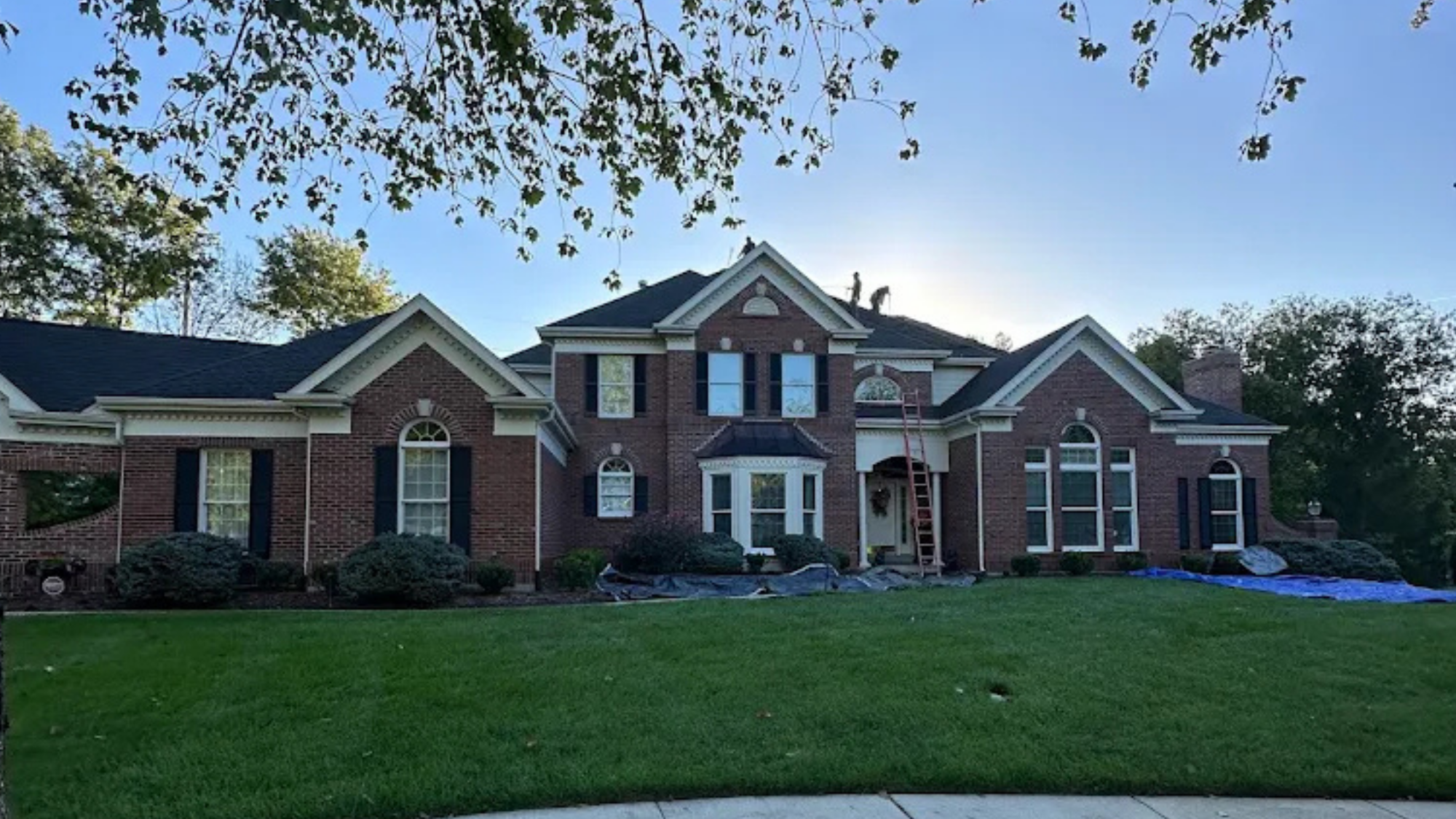
Trees can add beauty, shade, and privacy to your property, but branches growing too close to your roof can create serious problems. While a tree may appear harmless during calm weather, branches can rub against shingles, drop debris, trap moisture, and even fall onto your home during a storm. Understanding the risks of tree damage to roof systems can help homeowners take preventative steps before a small concern becomes an expensive roofing problem.
How Tree Branches Affect Your Roof
Tree branches can affect your roof in several ways. Some damage happens gradually, while other problems can occur suddenly during severe weather.
Branches that constantly touch the roof may scrape against shingles and remove protective granules. Smaller twigs and leaves can collect in valleys and gutters, while larger limbs may break and fall during high winds.
Over time, tree damage to roof surfaces can weaken roofing materials and increase the risk of leaks.
Branches Can Scratch and Wear Down Shingles
One of the most common forms of tree damage to roof systems occurs when branches repeatedly rub against shingles.
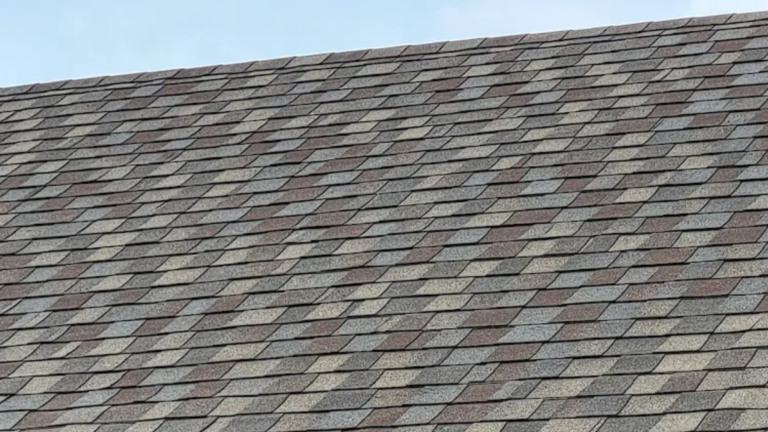
Wind causes branches to move back and forth against the roofing surface. This friction can loosen shingles, remove protective granules, and eventually expose the underlying material to sunlight and moisture.
Even branches that are not large enough to fall can cause significant damage when they constantly contact the roof.
Trimming branches away from the roof can help prevent this gradual deterioration.
Falling Branches Can Cause Major Damage
During Missouri thunderstorms, high winds can cause weak or dead branches to break.
A falling limb can puncture shingles, damage the roof deck, break flashing, or create a large opening in the roofing system.
This type of tree damage to roof can result in immediate water intrusion, particularly when heavy rain follows a storm.
Homeowners should inspect their roofs after major weather events and contact a professional if a branch has fallen onto the property.
Leaves and Debris Can Trap Moisture
Trees naturally drop leaves, twigs, bark, and other debris throughout the year.
When this material accumulates on a roof, it can trap moisture against shingles. Constant moisture exposure can contribute to algae growth, moss, deterioration, and premature aging.
Preventing tree damage to roof systems involves keeping the roof surface as clear as reasonably possible and addressing areas where debris regularly collects.
Professional roof maintenance can help identify areas where tree debris is causing problems.
Clogged Gutters Create Additional Problems
Trees near your home can also affect your gutters.
Leaves, pine needles, and small branches can accumulate inside gutters and prevent water from flowing properly. When gutters become clogged, water may overflow onto the roof edge or collect near vulnerable areas.
This can increase the risk of moisture-related tree damage to roof systems and may also contribute to fascia and foundation problems.
Keeping gutters clean is an important part of protecting your roof from tree-related issues.
Moss and Algae Can Grow More Easily
Trees can create shaded areas on your roof, and shaded roofing surfaces may remain damp longer after rainfall.
Combined with leaves and other organic debris, this environment can encourage algae or moss growth.
While some discoloration is primarily cosmetic, moss can retain moisture and potentially lift or damage shingles.
Managing tree damage to roof risks includes trimming branches that create excessive shade and keeping roofing surfaces free of organic buildup.
Tree Branches Can Damage Flashing
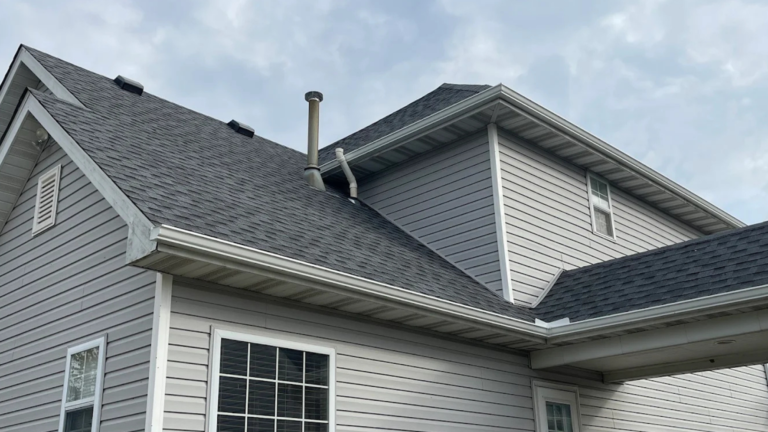
Flashing protects areas where roofing materials meet chimneys, walls, skylights, and other structures.
Falling branches can bend or break flashing, creating openings where water can enter.
Once tree damage to roof flashing occurs, even a small opening can lead to leaks and moisture damage inside the home.
A professional inspection can determine whether flashing needs to be repaired or replaced after a tree-related incident.
Tree Roots Can Affect the Property Too
Although tree roots do not usually cause direct roof damage, large trees can create other property concerns that homeowners should consider.
Branches, roots, and overall tree health should be evaluated together when planting or maintaining trees near a home.
Healthy trees that are appropriately positioned can provide benefits without creating unnecessary roofing risks.
Dead Trees Are Especially Dangerous
Dead or severely weakened trees present a greater risk to your roof.
Branches from unhealthy trees are more likely to break during high winds, heavy rain, ice, or storms.
If a tree is located close to your home, have it evaluated by a qualified tree professional when necessary.
Reducing the likelihood of falling branches is one of the best ways to prevent serious tree damage to roof systems.
How Much Space Should Be Between Trees and Your Roof?
Homeowners should avoid allowing branches to rest directly on the roof.
The appropriate distance depends on the tree’s size, growth pattern, location, and surrounding property conditions. It is important to consider future growth rather than only the tree’s current position.
Regular trimming can help maintain clearance and reduce the risk of tree damage to roof surfaces.
A qualified arborist can provide guidance about tree health and appropriate pruning.
Inspect Your Roof After Storms
Missouri storms can quickly turn a healthy tree into a roofing hazard.
After strong winds or severe weather, homeowners should look for:
- Fallen branches
- Missing shingles
- Cracked shingles
- Damaged flashing
- Punctures
- Visible roof debris
- Gutter damage
If you suspect tree damage to roof areas, avoid climbing onto the roof yourself. A professional inspection can identify damage safely and accurately.
Don’t Ignore Small Tree-Related Damage
Homeowners sometimes notice a few damaged shingles after a branch brushes the roof and decide to wait.
However, small areas of damage can become larger problems when exposed to rain and wind.
Prompt repairs following tree damage to roof surfaces can help prevent water intrusion and protect the roof deck.
Addressing a small repair early is often easier and less expensive than repairing widespread moisture damage later.
Preventing Tree Damage Before It Happens
The best approach to tree damage to roof problems is prevention.
Homeowners can reduce risks by:
- Trimming branches away from the roof
- Removing dead or weakened limbs
- Cleaning gutters regularly
- Removing accumulated roof debris
- Monitoring tree growth
- Inspecting the roof after storms
- Scheduling regular professional roof inspections
Combining tree care with routine roof maintenance provides better protection for the entire home.
When to Call a Roofing Professional
Some tree-related problems are easy to see from the ground, but hidden damage may not be obvious.
A roofing professional can inspect the shingles, flashing, roof deck, vents, and other components to determine whether tree damage to roof areas has occurred.
Professional assistance is especially important when a large branch has fallen on the roof or when you notice leaks following a storm.
Why Choose Prrotect Roofing in Cottleville, MO?
At Prrotect Roofing, we understand how Missouri weather and surrounding trees can affect residential roofing systems. Our team provides professional inspections, repairs, and roofing services designed to help homeowners protect their properties.
Whether you have noticed damaged shingles after a branch made contact with the roof or need an inspection following a storm, we can evaluate the condition of your roofing system and recommend appropriate solutions.
We also understand the importance of addressing tree damage to roof areas before moisture and weather exposure create additional problems. Our focus is on quality workmanship, dependable service, and practical recommendations for homeowners in Cottleville and surrounding Missouri communities.
Conclusion
Trees can provide valuable shade and beauty, but branches that grow too close to your home can gradually damage your roofing system. Scraped shingles, falling limbs, trapped moisture, clogged gutters, damaged flashing, and excessive shade are all potential consequences of poor tree management.
Understanding tree damage to roof risks allows homeowners to take preventative action. Regular tree trimming, gutter cleaning, roof inspections, and prompt repairs can significantly reduce the chances of expensive roofing damage.