When homeowners think about roof damage, they often picture missing shingles, damaged flashing, or visible leaks. However, one of the most important parts of a roofing system is hidden beneath the exterior materials: the roof decking. This structural layer provides the foundation where shingles, underlayment, and other roofing components are installed. When it becomes weakened or deteriorated, the entire roofing system can be affected.
Ignoring roof decking damage can lead to more serious problems, including roof leaks, weakened structural support, mold growth, and expensive repairs. For homeowners in Cottleville, Missouri, seasonal storms, heavy rainfall, snow, and changing temperatures can increase the importance of maintaining a strong roof structure.
What Is Roof Decking?
Roof decking, sometimes called roof sheathing, is the layer of material attached to the roof’s structural framing. It is commonly made from plywood or oriented strand board (OSB).
This layer provides a stable surface for installing roofing materials and helps distribute certain loads across the roof structure. It also plays an important role in supporting the overall roofing system.
Because roof decking is covered by shingles, underlayment, or other materials, homeowners may not notice deterioration until more visible symptoms appear. This is why roof decking damage should be taken seriously even when the exterior roof looks relatively normal.
Common Causes of Roof Decking Damage
Several conditions can weaken or deteriorate roof decking over time. Understanding these causes can help homeowners recognize potential problems and take preventive action.
Long-Term Roof Leaks
Water intrusion is one of the most common causes of roof decking damage. When rainwater passes through damaged shingles, flashing, or other roofing components, it may reach the decking underneath.
Repeated exposure to moisture can cause wood-based decking to swell, soften, warp, or rot. Even a small leak can create a larger problem if it continues unnoticed.
Poor Roof Ventilation
Proper attic ventilation helps regulate temperature and manage moisture inside the attic. When ventilation is inadequate, warm and humid air may become trapped.
Condensation can develop on cooler surfaces, potentially exposing roof decking to repeated moisture. Over time, this may contribute to deterioration.
Severe Weather
Strong winds, hail, heavy rainfall, and falling branches can damage exterior roofing materials. Once the protective roof covering is compromised, water may reach the decking.
In Cottleville, Missouri, storms can create sudden roofing problems that homeowners may not notice immediately. A professional inspection after significant weather events can help identify possible roof decking damage before it becomes more extensive.
Aging Roofing Materials
As roofing systems age, shingles, flashing, underlayment, and sealants may become less effective at protecting the structure from moisture.
If deteriorated materials allow water to enter repeatedly, the decking underneath may eventually weaken. Regular inspections can help identify problems before they spread.
Warning Signs Homeowners Should Never Ignore
Because roof decking is usually hidden, homeowners should pay attention to signs that may indicate underlying deterioration.
Common warning signs include:
- Sagging or uneven roof sections
- Water stains on ceilings or upper walls
- Peeling paint or bubbling drywall
- Musty odors in the attic
- Damp or deteriorating attic insulation
- Visible mold or persistent moisture
- Soft or weakened wood in accessible attic areas
- Roofing materials that appear uneven or unstable
These symptoms can have different causes, so they do not automatically confirm roof decking damage. However, they should be investigated by a qualified roofing professional.
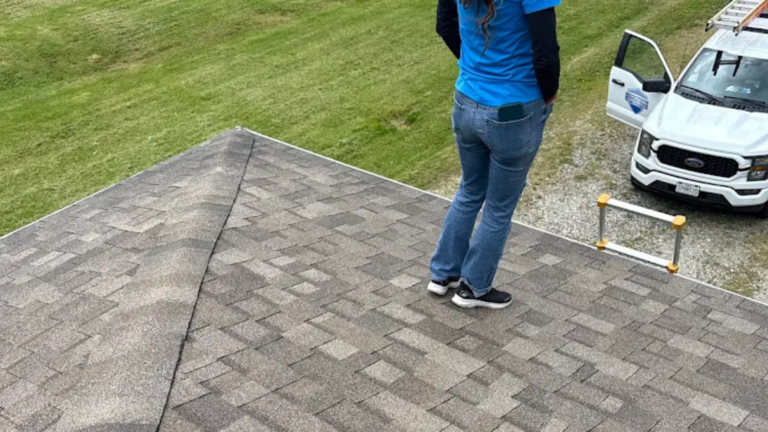
Homeowners should avoid walking on suspected weak roof areas because deteriorated decking may not safely support their weight.
Why Roof Decking Damage Can Become a Serious Problem
Damaged decking affects more than the appearance of a roof. Since it supports the roofing materials, deterioration can compromise the performance and safety of the entire system.
Reduced Structural Support
Roof decking provides a stable surface for roofing materials. When it becomes soft, rotten, or weakened, it may no longer provide reliable support.
Severe roof decking damage can contribute to sagging and may affect the roof’s ability to handle expected loads from roofing materials, maintenance activities, and weather.
Increased Risk of Roof Leaks
Damaged decking can make it more difficult for the roofing system to maintain a reliable protective barrier. Water may enter through compromised areas and reach the attic or interior spaces.
If the original leak is not corrected, replacing damaged decking alone will not solve the problem. The source of moisture must also be identified and repaired.
Mold and Moisture Problems
Persistent moisture can create conditions that support mold growth. If water reaches attic insulation, framing, or other building materials, the problem may extend beyond the decking itself.
Addressing roof decking damage promptly can help reduce the chance of ongoing moisture exposure and additional interior repairs.
Higher Repair Costs
A small roofing leak may initially require limited repairs. However, if moisture continues reaching the decking, the affected area may become larger.
Homeowners may eventually need replacement decking, roofing materials, insulation, or other repairs. Early attention can help prevent a relatively small issue from developing into a more expensive project.
How Professionals Identify Roof Decking Damage
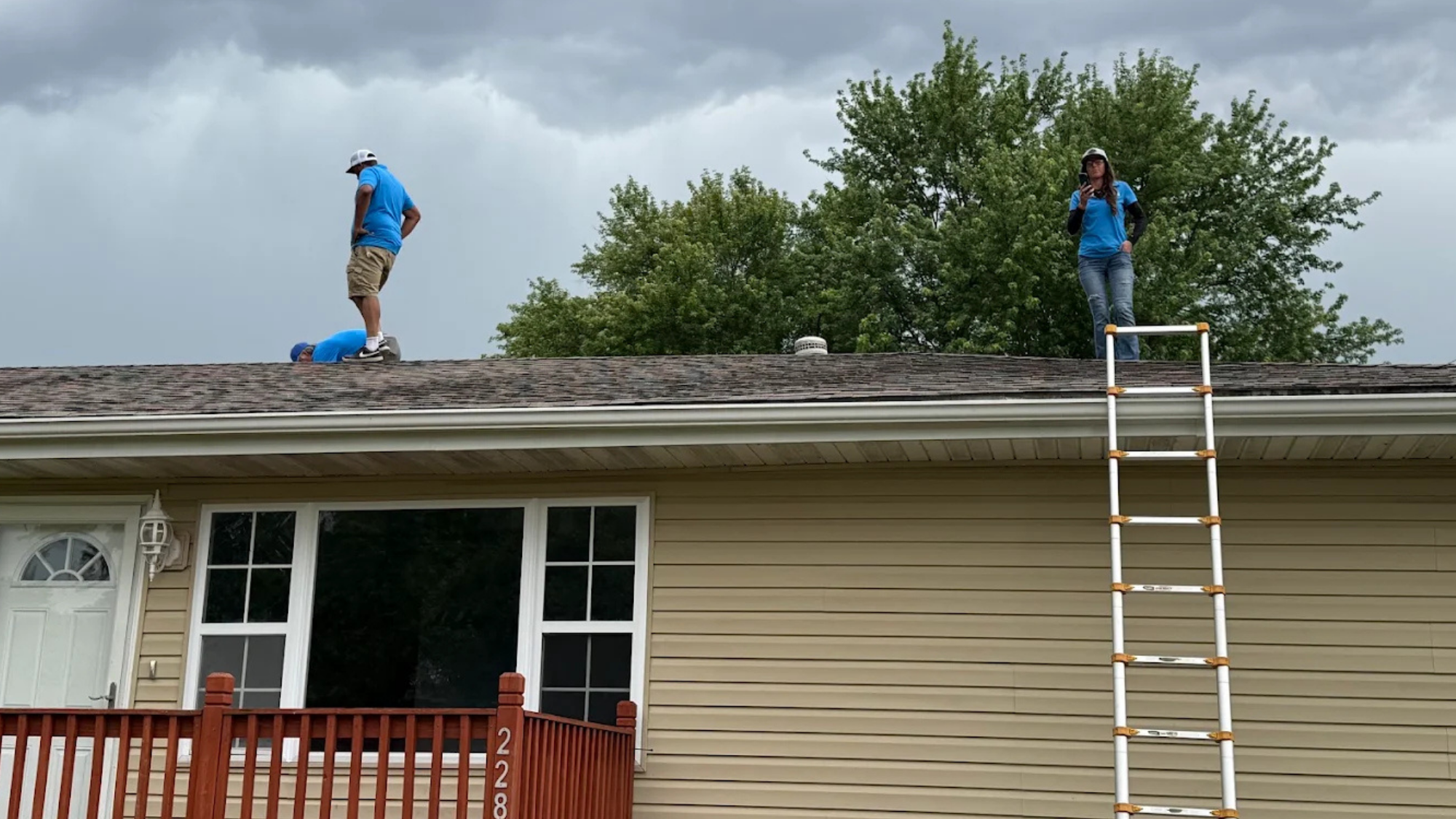
A professional roof inspection is one of the best ways to evaluate suspected roof decking damage.
Roofers may examine the exterior roofing materials for leaks, missing shingles, damaged flashing, and other signs of water intrusion. They may also inspect accessible attic areas for staining, damp insulation, visible deterioration, or sagging.
If the decking cannot be adequately evaluated from accessible areas, removing some roofing materials may be necessary to inspect the affected section.
The inspection helps determine how extensive the damage is and whether the underlying cause involves leaks, ventilation, condensation, or another roofing issue.
How Roof Decking Damage Is Repaired
The correct repair depends on the condition of the decking and the extent of deterioration.
Finding and Fixing the Moisture Source
Before repairing the damaged decking, the source of moisture must be identified. This may involve repairing shingles, flashing, roof penetrations, or drainage problems.
Correcting the source helps prevent the replacement materials from experiencing the same problem.
Removing Deteriorated Sections
If portions of the decking are rotten, severely warped, or structurally weakened, they may need to be removed and replaced.
A roofing professional will evaluate the affected area and determine which sections can safely remain.
Installing Replacement Decking
New plywood or OSB decking should be compatible with the existing roof structure and installed according to applicable building requirements and manufacturer recommendations.
Once the decking is repaired, the appropriate underlayment and exterior roofing materials can be installed to restore the roof’s protective layers.
Professional repairs ensure that roof decking damage is addressed as part of the entire roofing system rather than treated as an isolated surface problem.
How Homeowners Can Help Prevent Roof Decking Damage
Although some roofing problems are unavoidable, regular maintenance can help reduce the risk of deterioration.
Homeowners should consider these preventive steps:
- Schedule regular professional roof inspections.
- Address leaks as soon as they are discovered.
- Keep gutters and downspouts clear.
- Maintain appropriate attic ventilation.
- Check accessible attic areas for signs of moisture.
- Arrange inspections after severe storms.
- Replace damaged shingles and flashing promptly.
Taking these steps can help limit the conditions that contribute to roof decking damage and support the long-term performance of the roof.
Protect Your Home With Prrotect Roofing in Cottleville, MO
Roof decking is an essential part of your home’s roofing system, even though it is usually hidden from view. When moisture, aging materials, or storm damage weaken this layer, the consequences can affect the roof’s stability and your home’s interior.
Prrotect Roofing understands the importance of identifying roofing problems before they become more extensive. We help homeowners in Cottleville, Missouri, evaluate roofing concerns and understand the repairs needed to protect their properties.
If you notice sagging roof sections, recurring leaks, or signs of attic moisture, a professional inspection can help determine whether roof decking damage is present.
Conclusion
Roof decking damage should never be ignored because it can affect the strength, stability, and water resistance of your entire roofing system. What begins as a small leak or minor moisture problem can eventually lead to weakened wood, mold concerns, structural deterioration, and costly repairs.
Addressing roof decking damage early can help protect your roof, preserve your home’s structure, and provide greater peace of mind for years to come.