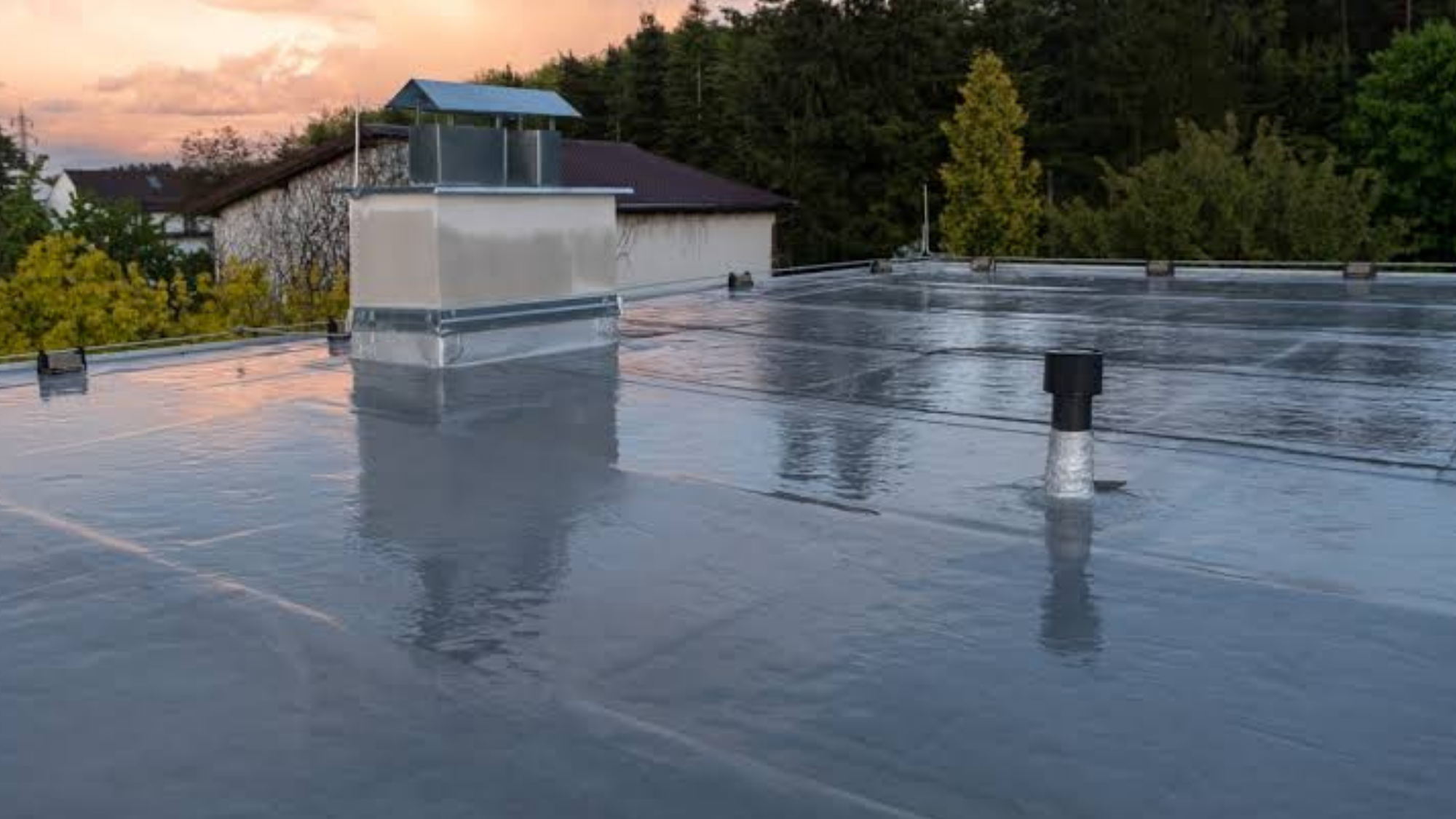
A roof is one of the most important parts of a home’s protection system. It shields the structure from rain, wind, snow, and other weather conditions that can cause damage over time. However, homeowners may not realize that the roofing membrane beneath or within the roof system plays a major role in preventing moisture from entering the house. When this protective layer becomes damaged, even a small opening can lead to significant interior water problems.
For homeowners in Cottleville, Missouri, seasonal storms, heavy rainfall, temperature changes, and winter weather can put roofing materials under considerable stress. Roof membrane damage may develop gradually or occur suddenly after severe weather. Recognizing the warning signs and understanding how moisture travels through a roofing system can help homeowners avoid expensive repairs. Prrotect Roofing helps homeowners understand roofing concerns and take steps to protect their properties.
What Is a Roof Membrane?
A roof membrane is a protective layer designed to help prevent water from entering a building. Depending on the roof design, it may be part of a flat or low-slope roofing system, a waterproofing layer beneath other roofing materials, or a protective component around vulnerable roof areas.
Common membrane materials include EPDM rubber, TPO, PVC, and modified bitumen. Residential roofing systems may also include underlayment beneath shingles or other exterior materials to provide an additional layer of moisture protection.
Each roofing system has specific installation and maintenance requirements. When roof membrane damage occurs, the roof may lose some of its ability to keep water out, allowing moisture to reach the roof deck, insulation, ceilings, and walls.
Common Causes of Roof Membrane Damage
Understanding what causes roof membrane damage can help homeowners recognize potential risks and take preventive action.
Severe Weather and Temperature Changes
Heavy rain, strong winds, hail, and flying debris can damage exposed roofing materials. Sudden temperature changes may also cause roofing components to expand and contract repeatedly.
Over time, these movements can contribute to weakened seams, cracks, or separation around vulnerable areas. In Cottleville, Missouri, changing seasonal conditions make regular roof inspections particularly valuable.
Poor Installation
Roof membranes must be installed according to the manufacturer’s specifications. Improperly sealed seams, insufficient attachment, and poorly detailed edges can create openings where water may enter.
Roof membrane damage caused by installation problems may not be immediately visible. A roof can appear relatively normal from the ground while hidden weaknesses allow moisture to enter during rainfall.
Foot Traffic and Physical Impact
Walking on certain roof membranes without appropriate precautions can cause punctures, tears, or surface damage. Tools, fallen branches, and other objects may also damage exposed roofing materials.
Homeowners should avoid walking on roofing membranes unless they are qualified to do so. Professional roofers have the equipment and knowledge needed to inspect vulnerable areas while reducing the risk of additional damage.
Aging and Lack of Maintenance
Roofing materials naturally deteriorate as they age. Sealants may weaken, seams may separate, and exposed surfaces may become less effective at resisting moisture.
Without regular inspections, minor roof membrane damage can remain unnoticed until water begins appearing inside the home.
How Roof Membrane Damage Causes Interior Water Problems
Damage to a membrane does not always produce an immediate ceiling leak. Water may travel through several layers of the roofing system before becoming visible indoors.
Water Enters Through Small Openings
When a membrane develops a puncture, crack, or separated seam, rainwater may pass through the damaged area. Water can also enter around roof penetrations, such as vents, pipes, skylights, and equipment supports.
Even a small opening can allow repeated moisture intrusion during storms. Roof membrane damage may therefore become a serious concern even when the affected area appears minor.
Moisture Reaches the Roof Deck and Insulation
Once water passes through the protective layer, it may reach the roof deck or insulation. These materials can retain moisture, allowing the problem to continue after the rain has stopped.
Wet insulation may lose some of its effectiveness, potentially affecting indoor comfort and energy efficiency. Prolonged moisture can also damage wood-based roof decking and other building materials.
If the water remains hidden, homeowners may not recognize the extent of the damage until the problem has spread.
Ceiling Stains and Paint Damage Develop
One of the most noticeable signs of interior water intrusion is discoloration on ceilings or upper walls. Brown stains, peeling paint, bubbling finishes, and soft drywall may indicate that moisture has entered the building.
However, the visible stain may not be directly beneath the damaged membrane. Water can travel along roof decking, framing, and other surfaces before reaching the ceiling.
Homeowners should not assume that repairing the spot where water appears will solve the entire problem. A professional inspection can help identify the original source of the leak.
Mold and Persistent Odors May Appear
When building materials remain damp, they can create conditions that support mold growth. Homeowners may notice musty odors, visible mold, or persistent dampness in ceilings, attics, and upper rooms.
Roof membrane damage that allows repeated moisture intrusion can increase the risk of these problems. The affected materials may require appropriate drying, cleaning, or replacement, depending on the extent of the damage.
If mold covers a large area or the moisture problem continues, consult a qualified remediation professional after the water source has been addressed.
Structural Materials Can Weaken
Long-term moisture exposure can damage wood decking, roof framing, and other structural components. Corrosion may also affect certain metal components.
In serious cases, deterioration can compromise the roof’s ability to support its intended loads. Sagging, soft areas, or visible structural movement should be treated as warning signs requiring prompt professional assessment.
Warning Signs Homeowners Should Never Ignore
Recognizing roof membrane damage early can help limit the spread of moisture and reduce repair costs.
Watch for these warning signs:
- Water stains on ceilings or upper walls.
- Dripping water during or after rainfall.
- Peeling paint, bubbling finishes, or damaged drywall.
- Musty smells in rooms or attic spaces.
- Damp insulation or visible moisture in the attic.
- Loose, cracked, blistered, or separated membrane sections.
- Repeated leaks that return after previous repairs.
- Unusual roof sagging or visible deterioration around roof penetrations.
Some signs may be caused by plumbing leaks, condensation, or other issues rather than roofing damage. A professional evaluation can help determine the actual source.
How Homeowners Can Prevent Roof Membrane Damage
Although no roof is completely immune to weather or aging, proper maintenance can help reduce the risk of membrane problems.
Schedule Regular Roof Inspections
Professional inspections can identify deteriorating seams, damaged flashing, punctures, and drainage problems before they cause widespread interior damage.
Homeowners should also consider an inspection after severe storms or whenever unexplained moisture appears inside the house. Prrotect Roofing can help homeowners in Cottleville evaluate roofing concerns and determine whether repairs are needed.
Keep Drainage Systems Clear
Clogged drains and gutters can allow water to collect in areas where it should normally flow away. Prolonged standing water may place additional stress on roofing materials, particularly when the system was not designed to hold it.
Keeping appropriate drainage pathways clear helps water move off the roof and reduces unnecessary moisture exposure.
Address Minor Problems Promptly
Small punctures, loose seams, and deteriorating flashing can become larger problems if ignored. Roof membrane damage should be assessed and repaired using materials and methods suitable for the existing roofing system.
Avoid applying random sealants or attempting repairs without understanding the membrane type. Incompatible products may fail to bond properly or interfere with future repairs.
Check the Attic and Interior Spaces
Homeowners can periodically look for stains, damp insulation, musty odors, or signs of moisture in accessible attic spaces. These observations may help identify a problem before it becomes severe.
Never enter an unsafe attic or climb onto a roof to investigate a suspected leak. Leave difficult or hazardous inspections to qualified professionals.
Why Professional Roof Repairs Matter
Effective repairs begin with identifying the source and extent of the damage. Depending on the roofing system, the solution may involve patching a small puncture, resealing a seam, replacing a damaged membrane section, improving drainage, or correcting problems around roof penetrations.
Simply covering an interior stain will not stop water from entering through the roof. Likewise, repairing only the visible opening may be insufficient if moisture has already damaged insulation, decking, or framing.
Professional evaluation helps ensure that roof membrane damage is addressed at its source and that related interior problems are not overlooked.
Protect Your Home With Prrotect Roofing in Cottleville, MO
Roof membrane damage can lead to a range of interior water problems, including ceiling stains, damaged insulation, mold growth, and deterioration of structural materials. Because water can travel through hidden spaces, the first visible sign of a leak may appear long after the original damage develops.
Homeowners in Cottleville, Missouri, can help protect their properties by scheduling roof inspections, maintaining proper drainage, and addressing signs of moisture as soon as possible. Early attention may prevent minor roofing issues from becoming expensive interior repairs.
Prrotect Roofing is committed to helping homeowners understand their roofing systems and make informed decisions about maintenance and repairs. If you suspect roof membrane damage or notice unexplained water stains inside your home, arrange a professional roof inspection to identify the cause and determine the appropriate solution. A properly maintained roofing system helps protect your home’s comfort, structure, and long-term value.