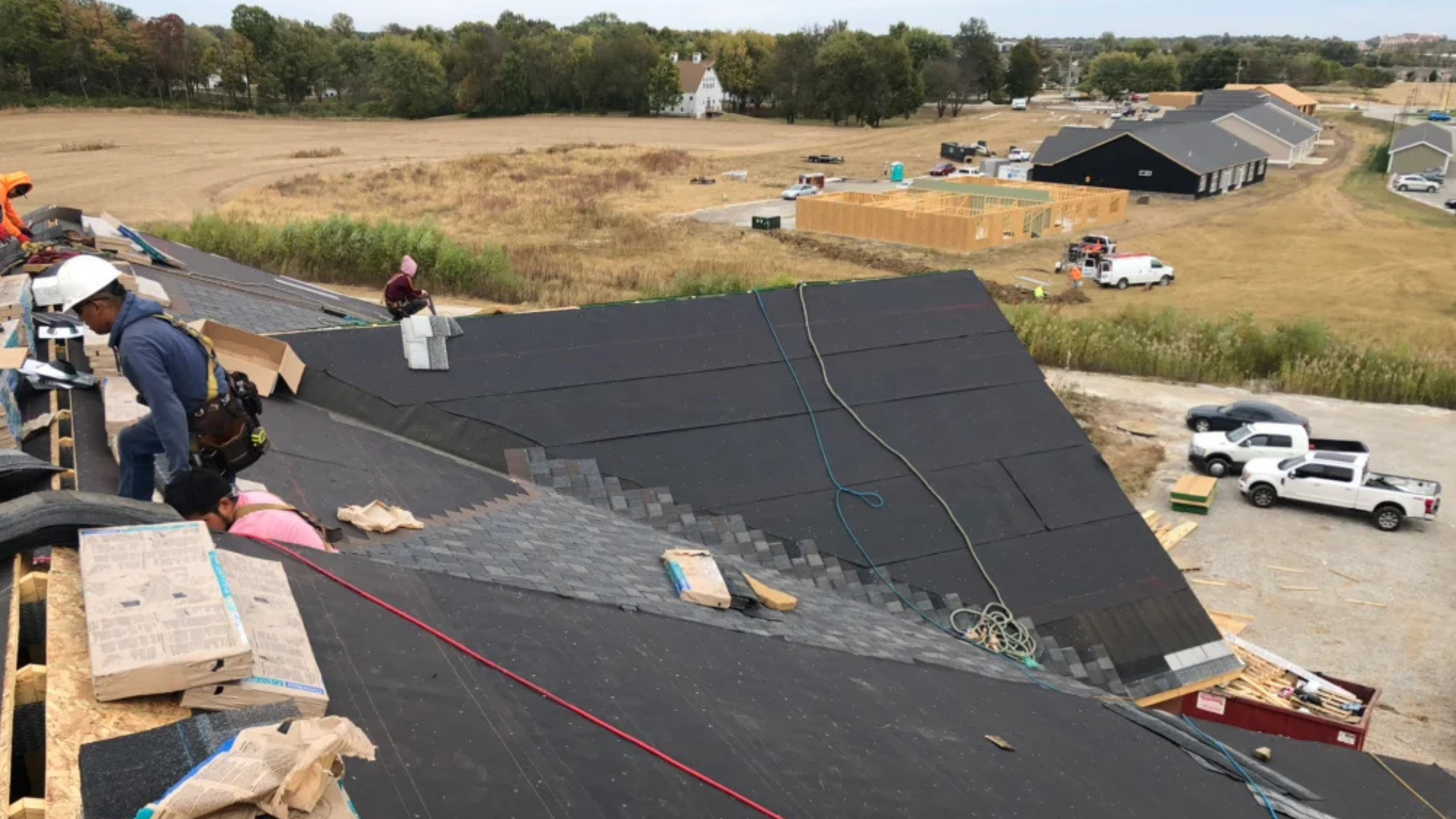
When homeowners think about the components that protect their roofs, they usually focus on shingles, flashing, gutters, and underlayment. However, small components such as roofing nails and fasteners are just as important. These materials hold roofing components in place and help the entire roofing system withstand wind, rain, and changing weather conditions.
Proper roofing fastener installation plays an important role in roof performance. Incorrectly placed nails, unsuitable fasteners, or improper fastening techniques can cause shingles to loosen, create openings for moisture, and contribute to premature roof damage.
What Are Roofing Nails and Fasteners?
Roofing nails and fasteners are components used to secure shingles, underlayment, flashing, and other roofing materials to the roof structure. Different roofing systems require different fastening products depending on the material, design, and manufacturer’s specifications.
Common roofing fasteners include:
- Galvanized roofing nails: Coated to help resist corrosion and commonly used for asphalt shingles.
- Stainless steel nails: Offer strong corrosion resistance and may be appropriate for certain roofing environments.
- Roofing screws: Frequently used with metal roofing systems.
- Specialized fasteners: Designed for particular roofing materials, underlayment, or membrane systems.
Selecting the correct fastener is only one part of the process. Proper roofing fastener installation ensures that each component is secured according to the roofing system’s requirements.
Why Proper Roofing Fastener Installation Matters
Roof fasteners may be small, but they help hold important roofing materials in place. If they are installed incorrectly, the roofing system may become vulnerable to several problems.
Preventing Shingles From Loosening
Shingles need to be secured properly to resist wind and normal weather exposure. If nails are placed incorrectly or driven too deeply, the shingles may not remain firmly attached.
Overdriven nails can damage the shingle surface, while underdriven nails may leave the shingle raised or improperly secured.
Correct roofing fastener installation helps provide the necessary holding strength and supports the overall performance of the roofing system.
Protecting Against Water Intrusion
Fasteners create small openings where they pass through roofing materials. When installed in the correct locations and covered by properly overlapping materials, these openings are generally protected from direct water exposure.
However, exposed nails, incorrect placement, or damaged surrounding materials can create potential entry points for moisture.
Professional roofing fastener installation helps reduce the risk of water entering through vulnerable areas.
Improving Wind Resistance
Strong winds can lift shingles and roofing panels, particularly when materials are not properly secured.
The number, placement, and type of fasteners all influence how well roofing materials remain attached. Following manufacturer requirements and applicable building codes is essential for achieving appropriate wind resistance.
For homeowners in Cottleville, proper roofing fastener installation can be especially important during storm season.
Common Roofing Fastener Installation Mistakes
Fastener problems are not always easy to recognize from the ground. Several installation mistakes can affect the performance of a roof.
Using the Wrong Nails or Screws
Different roofing materials require specific fasteners. Using the wrong length, material, or design may reduce holding strength or contribute to corrosion.
For example, metal roofing systems generally require compatible screws and washers designed for the particular panel system.
Incorrect Nail Placement
Roofing nails must be positioned according to the manufacturer’s instructions. Nails placed too high, too low, or outside the recommended fastening area may not secure the shingles properly.
Incorrect placement can also interfere with the way overlapping shingles protect the fasteners.
Overdriven or Underdriven Nails
An overdriven nail may cut through the shingle material, reducing its ability to hold securely. An underdriven nail may leave a raised head that prevents shingles from lying flat.
Both conditions can contribute to roofing problems. Proper roofing fastener installation requires the correct nail depth and positioning.
Exposed Fasteners
Some roofing systems use exposed fasteners as part of their design, but they require appropriate sealing and maintenance according to the manufacturer’s specifications.
On systems designed for concealed fasteners, exposed or improperly covered nails may increase the risk of moisture intrusion.
Signs Your Roof May Have Fastener Problems
Homeowners do not need to climb onto their roofs to notice every possible fastening issue. Several warning signs can be visible from the ground or inside the home.
Watch for:
- Shingles that appear lifted, loose, or uneven.
- Roofing materials missing after strong winds.
- Visible exposed nails or screws.
- Rust stains around certain roofing components.
- Water stains on ceilings or upper walls.
- Repeated leaks near roof penetrations.
- Metal roofing panels that appear loose or improperly aligned.
These signs can have different causes, so a professional inspection is recommended. A roofer can determine whether incorrect roofing fastener installation is contributing to the problem.
How Weather Affects Roofing Fasteners
Roofing fasteners are exposed to changing environmental conditions throughout the year. Rain and moisture can contribute to corrosion when unsuitable fasteners are used. Temperature changes can also cause roofing materials to expand and contract.
Strong winds may place additional stress on fasteners, particularly when shingles or panels are already loose.
In Cottleville, Missouri, seasonal storms, summer heat, freezing temperatures, and winter weather make proper material selection and installation important.
Quality roofing fastener installation helps ensure that fasteners are appropriate for the roofing material and expected environmental conditions.
Why Fastener Quality Matters
Not all roofing fasteners are designed for the same purpose. Their material, coating, length, head design, and compatibility with roofing products can affect how well they perform.
Low-quality or incompatible fasteners may corrode, loosen, or fail to provide adequate holding strength.
Using fasteners recommended by the roofing manufacturer helps support the durability of the installation. Professional roofing fastener installation also reduces the likelihood of problems caused by unsuitable products.
The Importance of Professional Roof Inspections
Roof fastener problems can develop without obvious exterior signs. A professional inspection allows a roofer to examine accessible roofing areas for loose shingles, exposed fasteners, damaged flashing, and other installation concerns.
During a roof replacement, the contractor should also evaluate the roof deck and select fasteners appropriate for the roofing system.
If problems are discovered, the correct solution may involve replacing damaged shingles, correcting fastening patterns, repairing exposed fasteners, or replacing affected roofing components.
Prrotect Roofing encourages homeowners to address suspected fastener problems early rather than waiting for a leak or storm-related failure.
How Homeowners Can Protect Their Roofing Systems
Although homeowners should leave roof repairs to qualified professionals, there are several ways to support long-term roof performance.
- Schedule periodic professional roof inspections.
- Arrange an inspection after severe storms.
- Address loose or missing shingles promptly.
- Keep gutters and downspouts clear.
- Avoid walking on roofing materials unnecessarily.
- Choose experienced contractors who follow manufacturer installation requirements.
- Ask about the type and quality of fasteners being used during roof replacement.
These steps can help homeowners recognize potential issues and understand why proper roofing fastener installation matters.
Trust Prrotect Roofing in Cottleville, MO
Roof nails and fasteners may seem like minor details, but they contribute significantly to the strength and reliability of a roofing system. Incorrect fastening can lead to loose shingles, water intrusion, and premature roofing deterioration.
At Prrotect Roofing, we understand that quality roofing depends on more than the visible materials. Proper roofing fastener installation, appropriate product selection, and careful attention to installation details all contribute to a dependable roof.
Whether you are planning a roof replacement, addressing storm damage, or concerned about loose roofing materials, professional guidance can help you make informed decisions about your home.
Conclusion
Roofing nails and fasteners help secure the materials that protect your home from the elements. When they are selected or installed incorrectly, the entire roofing system may become more vulnerable to leaks, wind damage, and premature deterioration.
For homeowners in Cottleville, Missouri, proper roofing fastener installation is an important part of maintaining a strong and reliable roof. Regular inspections, quality materials, and professional installation can help prevent avoidable roofing problems.