
Your roof is more than a simple shelter from the elements. With proper insulation, it’s also an essential partner in keeping your home why energy efficient roofing option, comfortable, and eco-friendly. When you add or upgrade roof insulation energy savings, you improve your home’s ability to retain heat in winter and repel heat in summer.
How roof insulation can lower your energy bills and create a smaller carbon footprint. Here’s how roof insulation plays a powerful role in reducing energy costs and why it’s an investment worth making; to learn more information follow us on our Facebook page.
Roof Insulation Energy Savings: A Cost-Saving Strategy for All Seasons
Roof insulation acts as a barrier that resists the flow of heat, keeping conditioned air where it belongs. In the winter, it prevents the warm air your heating system generates from escaping through the roof. In the summer, it blocks heat from the sun, so your air conditioner doesn’t have to work as hard.
Without effective insulation, up to 25% of your home’s heat can escape, leading to higher energy bills and increased strain on heating and cooling systems. When installed correctly, insulation works year-round to reduce your home’s energy demand.
The savings from roof insulation can be substantial, especially as energy prices continue to rise. Additionally, reducing your reliance on heating and cooling helps decrease your environmental impact, as less energy consumption means fewer greenhouse gas emissions.
Benefits of Roof Insulation for Energy Efficiency
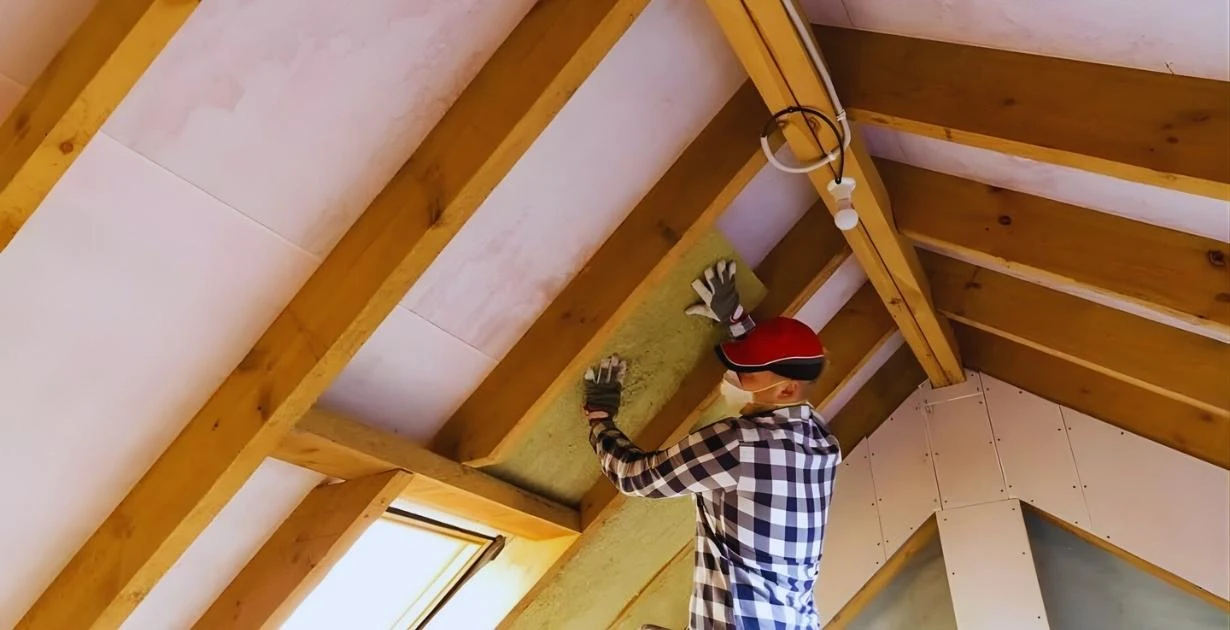
- Reduces Heat Loss in Winter
One of the most significant benefits of roof insulation is its ability to keep warm air inside during the colder months. Heat rises, and without proper insulation, a substantial amount can escape through the roof, forcing your heating system to work overtime. Insulation traps warmth inside, ensuring your home stays cozy without constantly cranking up the thermostat. This can lower your heating bills and create a more consistently comfortable living environment. - How to maintain cool roof reduce energy
Roof insulation doesn’t just work in winter; it’s equally important during summer. Without insulation, roofs absorb heat from the sun, transferring it directly into your living space and making your home feel uncomfortably warm. Insulation acts as a barrier, blocking this heat transfer and reducing the need for air conditioning. By insulating your roof, you’re effectively shading your entire home from extreme heat, which can result in considerable savings on cooling costs. - Reduces Wear and Tear on HVAC Systems
A well-insulated roof reduces the workload on your heating, ventilation, and air conditioning (HVAC) system. When your home stays at a stable temperature, the HVAC doesn’t have to cycle on and off as frequently, which reduces wear and tear. This not only extends the lifespan of your HVAC system but also minimizes maintenance costs, ensuring your home remains comfortable without constant appliance repairs or replacements. - Enhances Indoor Comfort Year-Round
With quality roof insulation, your home’s temperature remains stable and consistent throughout the year. You’ll notice fewer drafts, warmer winters, and cooler summers, making your indoor environment more enjoyable. This enhanced comfort level not only improves quality of life but also allows you to avoid dramatic temperature adjustments, which in turn lowers energy consumption. - Environmental Impact: Reduced Carbon Footprint
Lowering energy consumption by adding roof insulation power of the sun for energy savings doesn’t just benefit your wallet it’s an environmentally conscious decision. Reduced energy use means fewer greenhouse gases released into the atmosphere. An energy-efficient home conserves resources, lessening your overall carbon footprint and contributing to global efforts to combat climate change.
Types of Roof Insulation
The type of roof insulation you choose depends on your climate, budget, and roof structure. Here’s a look at some of the most popular options:
- Fiberglass Insulation
One of the most widely used types of insulation, fiberglass is made from fine strands of glass. It’s affordable, non-combustible, and resistant to moisture, making it a popular choice for residential roofs. Available in batts or rolls, insulation materials is relatively easy to install and provides effective thermal resistance to keep your home well-insulated. - Spray Foam Insulation
Spray foam insulation offers excellent coverage and thermal performance, as it expands to fill cracks and gaps. There are two types of spray foam: open-cell and closed-cell. Closed-cell foam has a higher R-value, making it more effective in extreme climates, while open-cell foam is less expensive and works well for mild climates. Spray foam is ideal for irregularly shaped attics or areas where traditional insulation might struggle to provide full coverage. - Reflective or Radiant Barrier Insulation
Reflective insulation, often called radiant barrier insulation, is designed to reflect heat rather than absorb it. This type of insulation is particularly beneficial in hot climates where the main concern is keeping heat out. Reflective insulation is typically installed under the roof decking, where it minimizes heat transfer and keeps your home cooler. - Rigid Foam Boards
Rigid foam boards are known for their high R-value per inch, making them an excellent option for homeowners seeking maximum insulation in a minimal space. These boards are moisture-resistant and durable, offering a solid choice for colder climates where maintaining indoor warmth is essential. Rigid foam insulation is commonly used in attic spaces and provides excellent thermal resistance and soundproofing.
Cost-Saving Potential of Roof Insulation
Roof insulation energy savings may require an upfront investment, but the energy savings add up over time, often covering the cost within a few years. Homes in colder climates can see substantial savings during winter as heating demands decrease, while those in hotter regions benefit from lower cooling costs.
The cost-saving potential is even greater as energy prices continue to rise, making insulation a wise investment for homeowners looking to reduce long-term expenses. Energy-efficient homes also qualify for various rebates and incentives. Check with your local utility company or government agency to see if there are insulation rebates available in your area, as these can further offset initial costs and enhance the overall return on investment.
Tips for Maximizing Insulation Efficiency
- Seal Any Gaps or Leaks
To get the full benefit of insulation, it’s essential to ensure that your roof and attic are well-sealed. Small gaps around vents, chimneys, or attic hatches can allow air to escape, reducing the insulation’s effectiveness. Sealing these leaks with caulking or weather-stripping helps keep your home airtight. - Pair Insulation with Proper Ventilation
Ventilation works in tandem with insulation, especially in the attic. Proper ventilation keeps insulation dry and effective by allowing excess moisture to escape, which prevents mold growth and keeps your home’s indoor air quality high. If necessary, consider adding a ridge or roof vent to improve airflow. - Use an Attic Hatch Insulation Cover
For homes with an attic hatch, adding an insulation cover can help prevent air leakage. These covers are inexpensive and easy to install, providing an additional layer of insulation that boosts your roof’s energy efficiency. - Seek Professional Installation
While some homeowners may attempt DIY insulation, working with a professional ensures optimal installation and adherence to local building codes. Professionals can help you select the right insulation material for your roof type and climate, ensuring you get the maximum energy savings from your investment.
Final Thoughts: A Smart Investment for Energy Savings
Roof insulation is one of the simplest and most effective ways to reduce energy costs while improving home comfort. By investing in high-quality insulation, you’re making a commitment to long-term energy efficiency and contributing to a more sustainable future.
Not only will your HVAC system work less, but your home will feel consistently comfortable, contact us today regardless of the season. As energy prices rise, roof insulation energy savings provides a solid return on investment, making it a wise choice for both your budget and the environment.
Frequently Asked Questions About Roof Insulation Energy Savings
How does roof insulation save money in winter?
It traps rising heat inside, preventing up to 25% of warmth from escaping. This reduces the workload on your heating system, resulting in significantly lower monthly energy bills.
Is insulation effective during hot summer months?
Yes. It acts as a thermal barrier that blocks solar heat from entering your living space, keeping your home cooler and reducing the need for expensive air conditioning.
What is the benefit of spray foam insulation?
Spray foam expands to seal tiny cracks and gaps that traditional materials miss. It provides superior thermal performance and is ideal for irregularly shaped attics or hard-to-reach areas.
Why is attic ventilation important for insulation?
Ventilation allows moisture to escape, keeping your insulation dry and effective. This prevents mold growth and wood rot, ensuring your insulation maintains its thermal resistance over time.
Are there financial incentives for adding insulation?
Many energy-efficient homes qualify for government rebates or utility incentives. These programs help offset the initial installation costs, enhancing your overall return on investment and long-term savings.